While a traditional colonoscopy involves inserting a flexible camera scope through the length of the colon, the landscape of colorectal cancer screening has evolved significantly to include truly non-invasive alternatives and minimally invasive advanced imaging.
Rather than eliminating the traditional procedure entirely, medical advancements have introduced powerful ways to screen for colon cancer without a standard scope:
1. Blood-Based Tests (Liquid Biopsies)
-
How it works: Newer cell-free DNA blood tests (such as FDA-approved options like Shield) detect circulating tumor DNA fragments shed by colorectal cancer or advanced polyps into the bloodstream.
-
The Benefit: It requires only a standard blood draw during a routine doctor’s visit—no dietary restrictions, no harsh bowel preps, and no sedation.
2. Advanced Stool-Based Tests
-
How it works: Next-generation stool tests (like advanced FIT-DNA tests or multi-target stool RNA tests such as ColoSense) look for specific DNA or RNA biomarkers and hidden blood associated with cancer or precancerous growths.
-
The Benefit: Done entirely at home, these tests have grown increasingly accurate at catching cancer markers and high-risk polyps without invasive physical intrusion.
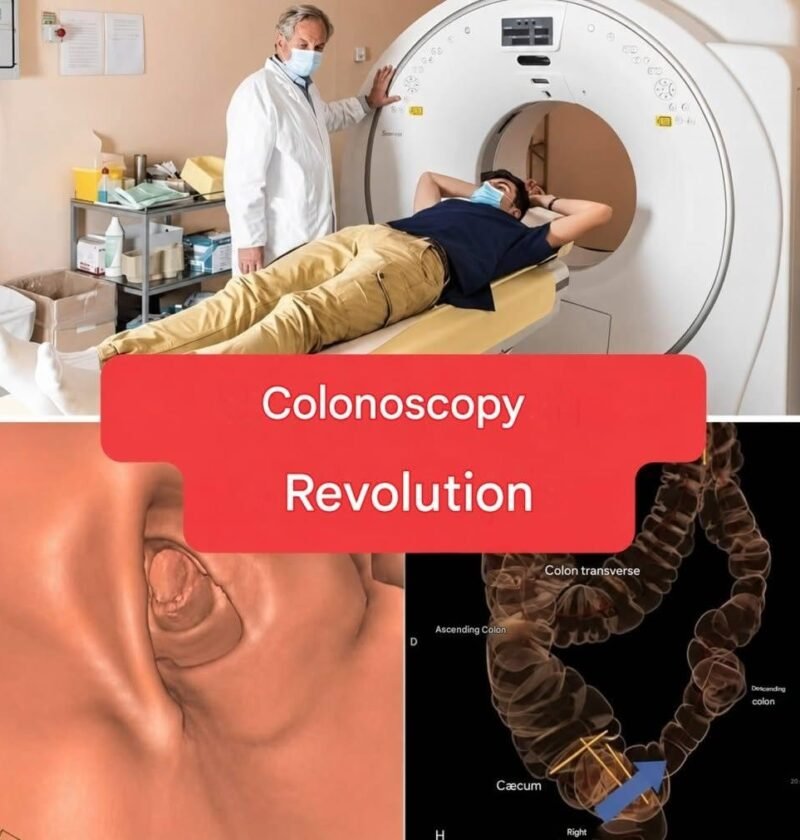
3. Virtual Colonoscopy (CT Colonography)
-
How it works: This method uses low-dose computed tomography (CT) scanning and specialized 3D software to generate detailed “fly-through” images of the inside of the colon.
-
The Benefit: It avoids a camera scope and anesthesia, taking only about 10–15 minutes.
The Catch with Non-Invasive Options
While these methods greatly reduce barriers to screening, they come with a crucial limitation: they are diagnostic, not therapeutic.
-
If a non-invasive blood, stool, or virtual scan detects something suspicious or positive, a traditional (optical) colonoscopy is still required so a physician can physically remove polyps or take tissue biopsies.
For average-risk individuals who delay screening due to the perceived friction of a traditional colonoscopy, these non-invasive screening tools are a massive step forward in making early detection more accessible.