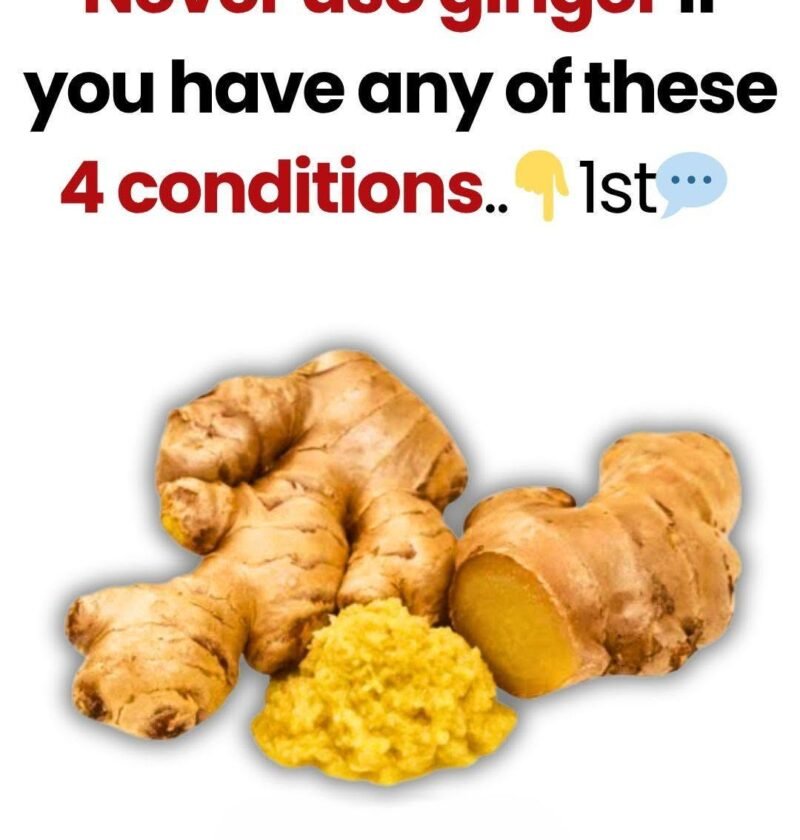
While ginger is widely celebrated for its culinary uses and anti-inflammatory benefits, it is a potent root with active compounds that can interact negatively with certain health conditions and medications.
Medical professionals recommend caution—or avoiding high therapeutic doses of ginger—if you have any of the following conditions:
1. Bleeding Disorders or Blood-Thinning Therapy
-
The Risk: Ginger has natural anti-platelet and blood-thinning properties (it can inhibit blood clotting).
-
Who it affects: If you suffer from a bleeding disorder (like hemophilia) or take anticoagulant/antiplatelet medications (such as warfarin, aspirin, or ibuprofen), adding heavy amounts of ginger can significantly increase your risk of bruising and dangerous bleeding.
2. Gallstones
-
The Risk: Ginger stimulates the flow of bile from the gallbladder.
-
Who it affects: If you have gallstones, an increased output of bile can trigger a painful gallbladder attack or cause a stone to block the bile duct, potentially requiring medical intervention.
3. Chronically Low Blood Pressure (Hypotension) or Heart Conditions
-
The Risk: Ginger has been shown to have a mild hypotensive effect, meaning it can lower blood pressure and can sometimes influence heart rhythms.
-
Who it affects: Individuals with low blood pressure, or those taking blood pressure-lowering medications, risk dropping their blood pressure too low (causing dizziness or fainting). Those with certain heart arrhythmias should also monitor intake, as high doses can occasionally interact with cardiac medications like digoxin.
4. Diabetes (Depending on Medication)
-
The Risk: Ginger can help lower blood sugar levels.
-
Who it affects: While helpful for some, if you take insulin or oral diabetes medications, consuming large amounts of ginger can cause your blood sugar to drop too drastically (hypoglycemia).
5. Severe Acid Reflux or Ulcers
-
The Risk: Though small amounts of ginger can sometimes soothe digestion, high doses or raw, pungent ginger can irritate the mucous membranes of the stomach lining and trigger heartburn, acid reflux, or worsen stomach ulcers.
Note on Moderation: Normal culinary amounts used in cooking are generally safe for most people. However, concentrated forms like supplements, heavy extracts, or multiple cups of strong ginger tea daily can pose risks if you fit into the categories above.Are you asking because you are managing a specific health condition or considering a new supplement?