Lou Gehrig’s Disease: Early Symptoms to Know
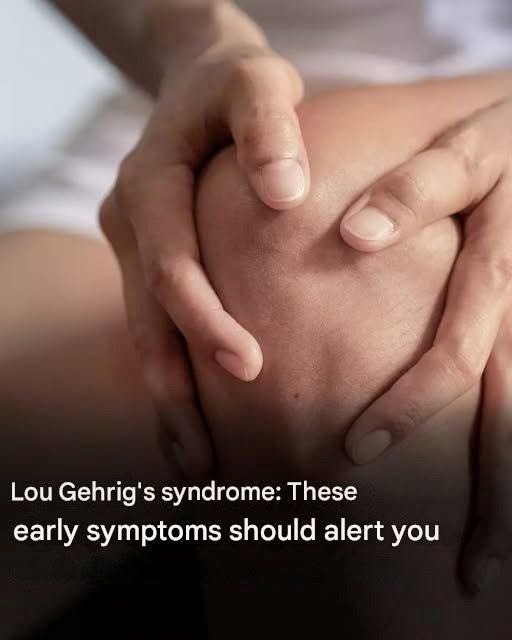
Lou Gehrig’s disease, medically called amyotrophic lateral sclerosis (ALS), is a progressive neurological disease that damages nerve cells controlling voluntary muscles. Early symptoms can be subtle and vary considerably from person to person.
Possible early symptoms
- Muscle weakness — often beginning in one hand, arm, leg, or the muscles involved in speech/swallowing.
- Muscle twitching (fasciculations) — particularly when accompanied by weakness.
- Muscle cramps — recurring cramps can occur alongside other motor symptoms.
- Difficulty with fine movements — trouble buttoning clothes, turning keys, writing, or handling utensils.
- Tripping or unexplained falls — weakness in the legs or feet may make walking less stable.
- Slurred or slower speech — ALS can initially affect the muscles used for speaking.
- Difficulty swallowing — coughing while eating, choking, or difficulty managing food or liquids can occur.
- Muscle stiffness or spasticity — muscles may feel unusually tight or movements may become stiff.
- Changes in emotional expression — some people develop inappropriate or uncontrollable laughing or crying (pseudobulbar affect).
⚠️ These symptoms don’t automatically mean ALS
Muscle twitching, cramps, numbness, weakness, and balance problems are far more commonly caused by other conditions, including nerve compression, medication effects, vitamin deficiencies, thyroid problems, and other neurological disorders.
ALS typically involves progressive muscle weakness, rather than isolated occasional twitching.
If you have progressively worsening unexplained weakness, difficulty speaking or swallowing, or repeated falls, arrange an evaluation with a doctor—often a neurologist. There is no single blood test that confirms ALS; diagnosis generally involves a neurological examination and tests used to rule out other causes.
Important: If weakness or speech difficulty appears suddenly, don’t assume it’s ALS. Sudden facial drooping, arm weakness, or speech difficulty can indicate a stroke and requires emergency medical attention.