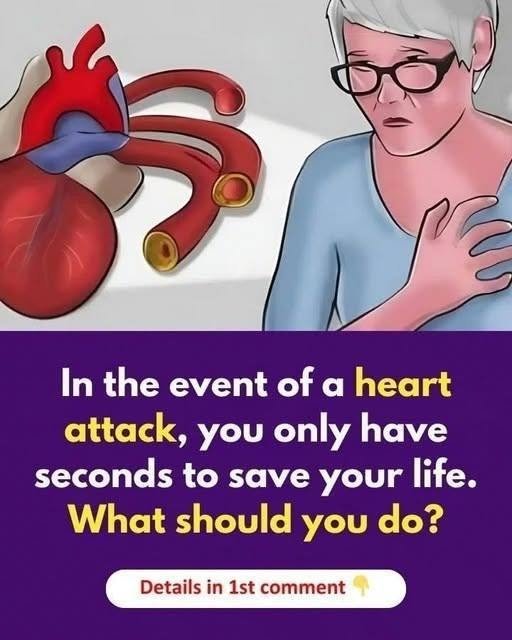
If you think you or someone else is having a heart attack right now, treat it as an emergency. Don’t wait for the symptoms to become severe. Fast treatment can limit heart damage.
What to do immediately
- Call your local emergency number now. Tell the dispatcher you suspect a heart attack and give your exact location. Do not drive yourself to the hospital.
- Sit and rest in a comfortable position with your back supported. Avoid walking around or exerting yourself.
- Follow the dispatcher’s instructions and keep your phone nearby.
- Aspirin: For an alert adult with suspected heart-attack chest pain, current first-aid guidance allows 162–325 mg of aspirin, chewed and swallowed, while waiting for EMS—only if there is no aspirin allergy and a healthcare professional hasn’t advised against it. If you’re uncertain, wait for EMS rather than taking it.
- If you have prescribed nitroglycerin/GTN for angina, use it according to your prescription.
- Don’t try “cough CPR,” vigorous exercise, drinking water, or other internet remedies. They don’t replace emergency treatment.
Recognize the signs
Possible heart-attack symptoms include pressure, squeezing, or pain in the chest; pain spreading to an arm, back, neck, jaw, or stomach; shortness of breath; sweating; nausea; or lightheadedness. Symptoms can be mild or come and go.
If the person becomes unresponsive and isn’t breathing normally, this is cardiac arrest rather than simply a heart attack. The person needs immediate CPR and an AED if one is available.
There aren’t literally only “seconds” to save yourself—but every minute matters. The most important lifesaving action is calling emergency services immediately.