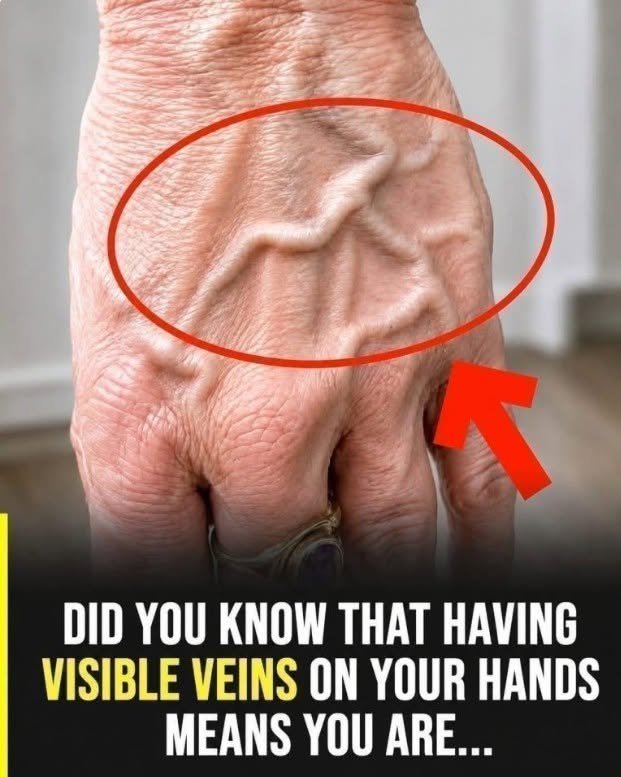
Everyday Reasons Hand Veins Stand Out
-
Heat and physical exertion: Warm weather or exercise increases blood flow and widens superficial blood vessels to help release heat, making hand veins look fuller.
-
Gravity and arm posture: Letting your hands hang down at your sides—or resting your arm below heart level—allows blood to pool slightly in the veins of the hand and lower arm.
-
Low body fat or thin/aging skin: Having less fat under the skin on your hands, or natural skin thinning and reduced elasticity with age, brings superficial veins into clearer view.
-
Genetics and lean/active build: Inherited vessel size, fair or thin skin, and regular strength training or manual activity can all make veins more noticeable.
-
Fluid shifts and blood pressure: Mild dehydration, warmth, or temporary changes in vascular tone can make veins look more prominent on some days than others.
When It Actually Makes Sense to Get Checked
| What You Notice | Why It Warrants a Look |
| Sudden swelling, warmth, redness, or aching in one hand or arm | Helps rule out localized inflammation or a clot (such as upper-extremity deep vein thrombosis) |
| A firm, tender, cord-like vein or new skin changes | Worth examining to distinguish superficial phlebitis or irritation from normal veins |
| Shortness of breath, chest discomfort, or persistent neck/chest vein bulging | Needs prompt medical evaluation to check heart function or central venous pressure |