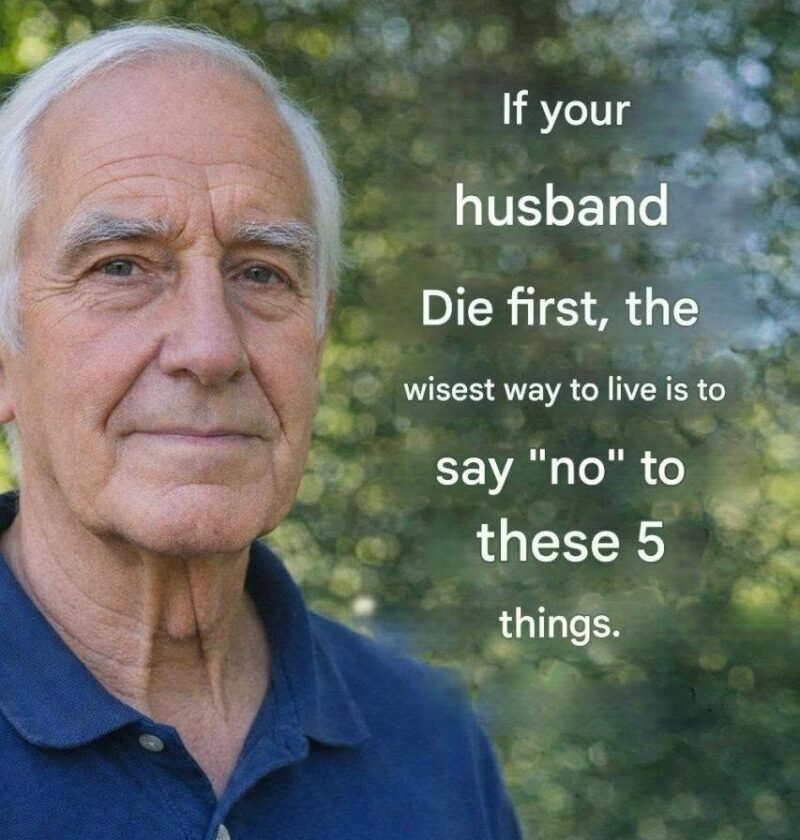
If Your Partner Dies Before You: 5 Mistakes to Avoid After 60
Losing a spouse or long-term partner can completely change daily life. There is no “correct” way to grieve, and recovery doesn’t happen according to a fixed timetable. Support from family, friends, grief groups, or a professional can make the transition easier. (National Institute on Aging)
1. Don’t isolate yourself completely
It can feel natural to withdraw after a loss, but prolonged loneliness and social isolation can affect both mental and physical health. Try to maintain regular contact with people you trust—even if it’s just a phone call or shared meal. (National Institute on Aging)
2. Don’t make every major decision immediately
Grief can affect concentration, memory, and judgment. Unless something is urgent, give yourself time before making major decisions about moving, selling property, or making large financial changes. (National Institute on Aging)
3. Don’t neglect your finances
After a spouse dies, there may be insurance, bank accounts, property, debts, pensions, wills, and other paperwork to handle. Organize important documents and consider getting qualified legal or financial advice before making major decisions. (National Institute on Aging)
4. Don’t stop caring for your health
Grief can disrupt sleep, appetite, physical activity, and motivation. Keep medical appointments, take prescribed medicines, eat regularly, and maintain whatever gentle physical activity you can manage.
5. Don’t feel guilty for building a new life
Finding moments of happiness doesn’t mean you’ve forgotten your partner. Grief and positive emotions can coexist. Gradually rebuilding routines, friendships, hobbies, and a sense of purpose can help you move forward while still honoring the relationship.
❤️ When grief becomes overwhelming
Persistent sadness, loss of interest in almost everything, major sleep or appetite changes, or difficulty functioning for weeks should be discussed with a healthcare professional. Depression can occur after the death of a loved one and is treatable. (National Institute on Aging)
Bottom line: After losing a partner, the goal isn’t to “get over” them. It’s to grieve at your own pace while protecting your health, finances, relationships, and independence—and gradually create a life that can hold both the loss and new sources of meaning.