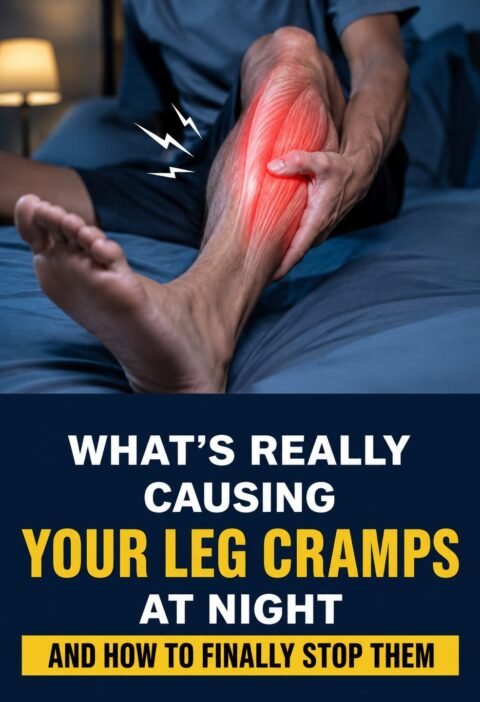
If you often get leg cramps at night, what could it mean?
Nighttime leg cramps are very common, especially as people get older, and most cases are not a sign of a dangerous disease. They usually involve a sudden, painful tightening of the calf, foot, or thigh muscles during sleep. Often, the exact cause isn’t known.
M
Mayo Clinic
+1
However, frequent cramps can sometimes be associated with another problem, including:
Dehydration or heavy sweating
Prolonged sitting or inactivity
Muscle fatigue or strenuous exercise
Certain medications, including some blood-pressure and cholesterol medicines
Diabetes or peripheral neuropathy
Kidney disease
Thyroid disorders
Problems with blood flow, including peripheral artery disease
Liver disease or cirrhosis
Nerve problems involving the spine
M
Mayo Clinic
What you can do when a cramp happens
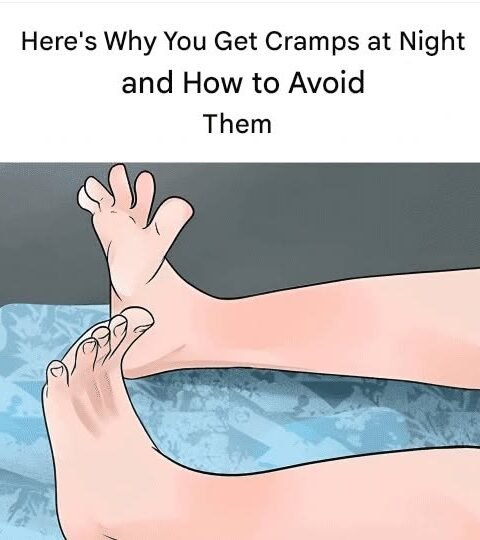
For a calf cramp, straighten the leg and gently pull your toes toward your face. Massage the cramped muscle and, if safe, stand and put some weight on the affected leg. Heat from a warm shower or bath can also help relax the muscle.
M
Mayo Clinic
+1
How to reduce nighttime cramps
Try:
Staying adequately hydrated
Gentle calf stretching before bed
A few minutes of light exercise before bedtime
Avoiding excessive alcohol and caffeine
Making sure your footwear provides adequate support
M
Mayo Clinic
+1
Don’t automatically start taking magnesium, potassium, or other supplements just because you have cramps. Deficiencies can contribute in some circumstances, but supplements aren’t universally effective, and excessive amounts can be harmful.
When should you get checked?
Make an appointment if cramps are frequent, severe, repeatedly waking you, or not improving with self-care, particularly if you also have muscle weakness, numbness, swelling, skin changes, or persistent pain.
M
Mayo Clinic
Bottom line: Frequent nighttime cramps can be a warning sign, but they are much more often a benign problem than evidence of a serious disease. The accompanying symptoms and your medications and medical history matter much more than the cramps alone.
M
Sources