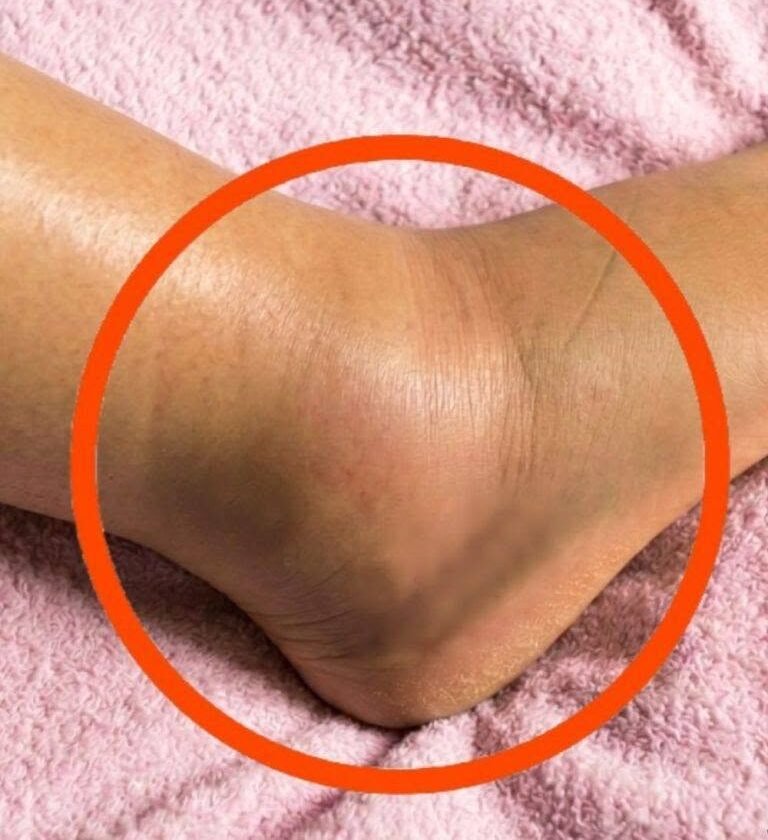
Viral health posts often love to use dramatic cliffhangers like “That’s a sign of cancer” or “That means your liver is failing!” when talking about swollen legs.
While swelling in the legs (medically known as edema) can occasionally point to serious underlying medical conditions, jumping straight to the worst-case scenario ignores a wide range of everyday, harmless, or easily managed causes.
Here is what doctors and vascular specialists actually look at when evaluating swollen legs:
1. Common, Harmless, and Lifestyle Causes
Most of the time, leg swelling is simply the result of gravity, fluid retention, or temporary strain:
-
Prolonged Sitting or Standing: If you stand or sit at a desk or on a long flight for hours, blood and fluid naturally pool in your lower extremities due to gravity.
-
High Salt Intake: Eating a very salty meal causes your body to retain extra water, which can manifest as mild puffiness in your feet, ankles, and fingers.
-
Pregnancy: Increased blood volume and pressure from the uterus on pelvic veins frequently cause mild to moderate leg swelling in expectant mothers.
-
Minor Injury: A sprained ankle or a bruised calf causes localized inflammation and fluid buildup as the body rushes healing cells to the area.
2. Medication Side Effects
Many commonly prescribed medications list fluid retention or leg swelling as a known side effect. These include:
-
Blood pressure medications (specifically calcium channel blockers like amlodipine).
-
NSAIDs (like ibuprofen or naproxen) when taken frequently.
-
Hormone therapies (such as estrogen or birth control pills).
-
Certain steroids and diabetes medications.
3. When Swelling Points to an Underlying Medical Condition
When edema is persistent, worsens, or is accompanied by other symptoms, doctors investigate specific organ systems:
-
Chronic Venous Insufficiency (CVI): The most common vascular cause. The tiny one-way valves inside your leg veins weaken, allowing blood to pool in your lower legs rather than pumping efficiently back to your heart.
-
Congestive Heart Failure (CHF): When the heart isn’t pumping blood effectively, fluid can back up in the circulatory system and leak into surrounding tissues, commonly causing swelling in both legs and feet.
-
Kidney Disease: Your kidneys are responsible for filtering excess fluid and sodium from your blood. If they aren’t functioning properly, fluid builds up throughout the body.
-
Liver Disease (Cirrhosis): A struggling liver produces lower amounts of essential blood proteins (like albumin), which can cause fluid to seep out of blood vessels and into tissues.
-
Blood Clots (Deep Vein Thrombosis – DVT): If swelling occurs suddenly and is isolated to only one leg, accompanied by pain, tenderness, warmth, or redness, it can indicate a dangerous blood clot blocking blood flow.
Red Flags: When to Seek Immediate Medical Attention
While mild evening swelling after a long day is usually normal, you should consult a doctor promptly—or seek emergency care—if you notice:
-
Swelling that affects only one leg and is painful, red, or warm to the touch (possible DVT).
-
Swelling accompanied by shortness of breath, chest pain, or difficulty breathing (which can indicate heart or lung issues).
-
Rapid, unexplained weight gain alongside severe swelling.
-
Skin that stays indented after you press a finger into it (known as “pitting edema”).