❤️ Heart Attack at Home: What to Do Immediately
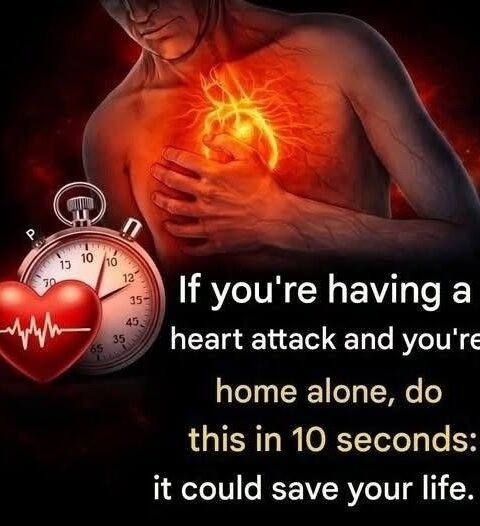
A heart attack can be life-threatening, and the most important action is to call emergency services immediately—not to try to fix it yourself in 10 seconds.
Here’s what to do if you suspect you’re having a heart attack at home.
Call your local emergency number. In Pakistan, call Rescue 1122 where available. Put your phone on speaker and follow the dispatcher’s instructions.
Sit in a comfortable, supported position, usually with your back elevated. Avoid walking around, climbing stairs, or driving yourself to the hospital.
If possible, unlock the door, tell someone nearby, and keep the phone with you. Do not delay the emergency call to do these things.
If you suspect a heart attack, follow the emergency dispatcher’s advice about chewing aspirin. Do not take it if you’re allergic to it or have been told not to take it. Never delay calling for help to find medication.
What if the person collapses?
-
If they become unresponsive and are not breathing normally, call emergency services on speaker.
-
Start chest compressions in the center of the chest, hard and fast—about 100–120 compressions per minute.
-
Use an automated external defibrillator (AED) if one is available and follow its instructions.
Important myths to avoid
Do not rely on coughing forcefully, drinking water, taking random medication, or trying to walk off the pain. These methods do not reliably stop a heart attack.
Warning signs include chest pressure or pain, discomfort in the arms or jaw, shortness of breath, cold sweats, nausea, and sudden weakness. Symptoms can vary, and some heart attacks begin mildly.
If this is happening to you or someone nearby right now, call emergency services immediately.