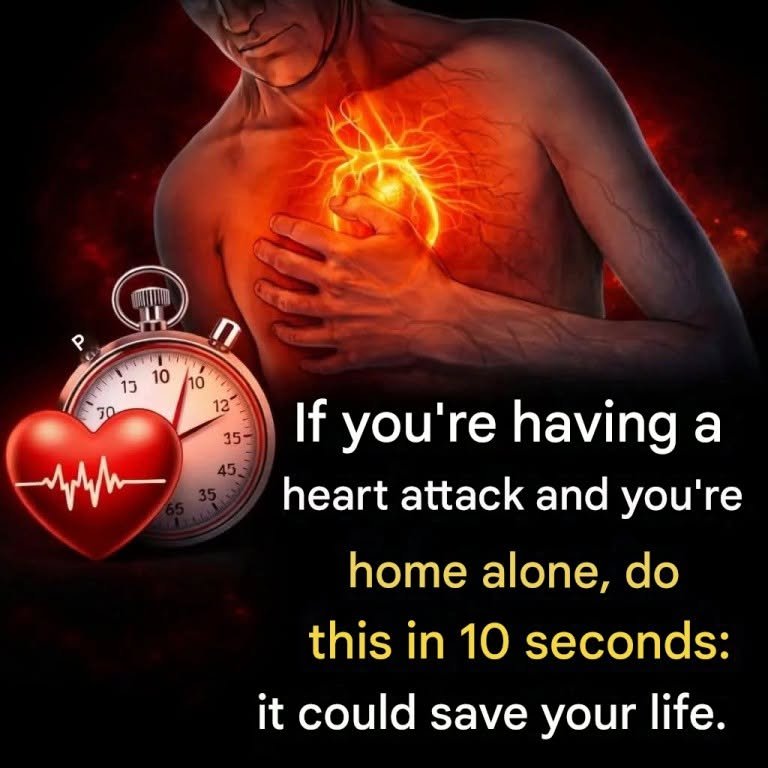
If you suspect a heart attack, don’t rely on a “10-second trick”
There is no maneuver that can stop a heart attack in 10 seconds. Viral advice such as forceful coughing, drinking water, or holding your breath isn’t a substitute for emergency treatment.
🚨 What to do right away
-
Call your local emergency service immediately. If you’re in Pakistan and Rescue 1122 operates in your area, call 1122.
-
Stop exerting yourself and sit somewhere safe.
-
If you have prescribed nitroglycerin, take it exactly as previously instructed.
-
Follow the emergency dispatcher’s advice about aspirin. Aspirin may be appropriate for some suspected heart attacks, but not if you have an allergy, active bleeding, or another reason you’ve been told to avoid it.
-
Don’t drive yourself to the hospital. Emergency medical transport allows treatment to begin sooner.
-
If the person becomes unresponsive and isn’t breathing normally, start CPR and use an AED if available.
Recognize the warning signs
A heart attack can cause chest pressure, squeezing, fullness, or pain, sometimes spreading to the arm, back, neck, jaw, or upper abdomen. Other symptoms include shortness of breath, cold sweating, nausea, dizziness, or unusual weakness.
Symptoms aren’t always dramatic, particularly in some women, older adults, and people with diabetes.
The life-saving action isn’t a secret trick—it’s getting emergency medical help immediately.