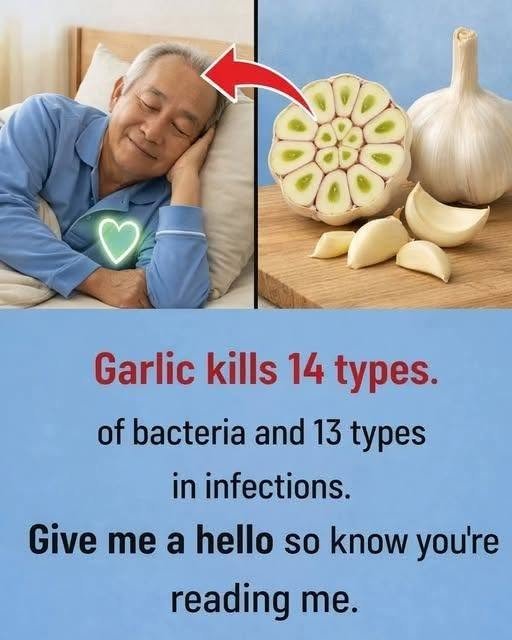
Known historically as “Russian penicillin,” garlic is one of nature’s most potent antimicrobial powerhouses. Long before modern pharmaceuticals, ancient civilizations relied on crushed garlic to ward off plagues, treat battle wounds, and clear stubborn respiratory infections.
Modern science has validated these traditional uses, revealing that garlic is much more than just a culinary staple—it is a formidable natural defense against pathogens.
How Garlic Fights Infections
-
The Power of Allicin: When a raw garlic clove is chopped, crushed, or chewed, an enzyme called alliinase converts a chemical compound called alliin into allicin. Allicin is the active biological agent responsible for garlic’s pungent aroma and its powerful ability to inhibit bacterial, viral, and fungal growth.
-
Broad-Spectrum Antimicrobial Action: Laboratory studies show that allicin and other sulfur compounds in garlic can disrupt the cell membranes and enzyme systems of harmful microbes. It has demonstrated effectiveness against common bacterial strains (including Staphylococcus, E. coli, and Salmonella), stubborn fungi (like Candida albicans), and even upper respiratory viruses.
-
Immune System Booster: Garlic stimulates key immune cells—such as macrophages, lymphocytes, and natural killer (NK) cells—helping your body detect and neutralize foreign invaders faster and more efficiently.
How to Maximize Garlic’s Medicinal Benefits
-
Crush and Wait: Allicin isn’t actually present in an intact garlic clove; it only forms when alliin and alliinase mix during crushing. To maximize the medicinal potency, crush or chop your garlic and let it sit for 10 minutes before cooking or consuming it.
-
Eat It Raw When Possible: Heat deactivates the alliinase enzyme, reducing allicin formation. While cooked garlic is still wonderfully healthy and antioxidant-rich, raw garlic (minced into salad dressings, salsas, or a dab of honey) provides the strongest antimicrobial punch.
-
Beware of Medication Interactions: Just like magnesium and grapefruit, potent raw garlic supplements can interact with certain prescription drugs—most notably blood thinners (like warfarin or aspirin) because garlic naturally inhibits platelet aggregation.