Foods That Support Stronger Nails After 40
Nails can become thinner or more brittle with age, but food can help when nail problems are related to inadequate nutrition. There isn’t a special “after 40” diet; the goal is a balanced diet with enough protein, iron, zinc, biotin, vitamin C, and other micronutrients.
Eggs — provide protein and biotin, both involved in normal nail structure and growth.
Lentils and beans — good sources of plant protein, iron and zinc.
Fatty fish such as salmon and sardines — provide protein, vitamin D and healthy fats.
Nuts and seeds — almonds, pumpkin seeds and sunflower seeds provide nutrients including zinc, iron and protein.
Greek yogurt — supplies protein and calcium.
Spinach and other leafy greens — provide folate, iron and vitamin C.
Bell peppers — exceptionally rich in vitamin C, which is needed for collagen production and also helps absorb plant-based iron.
Lean meat or poultry — provide highly absorbable protein, iron and zinc.
Oysters and other shellfish — particularly rich in zinc and can provide iron and protein.
Sweet potatoes — provide beta-carotene and other nutrients as part of a varied diet.
Don’t overlook protein
Keratin—the major structural protein in nails—depends on adequate amino acids. If your diet is consistently low in protein, improving overall protein intake may be more useful than buying a nail supplement.
What about biotin supplements?
Biotin deficiency can cause brittle nails, but true deficiency is uncommon, and there’s limited evidence that high-dose biotin improves nails in people who aren’t deficient. High-dose biotin can also interfere with certain laboratory tests, including some tests for heart problems and thyroid function. (ods.od.nih.gov
)
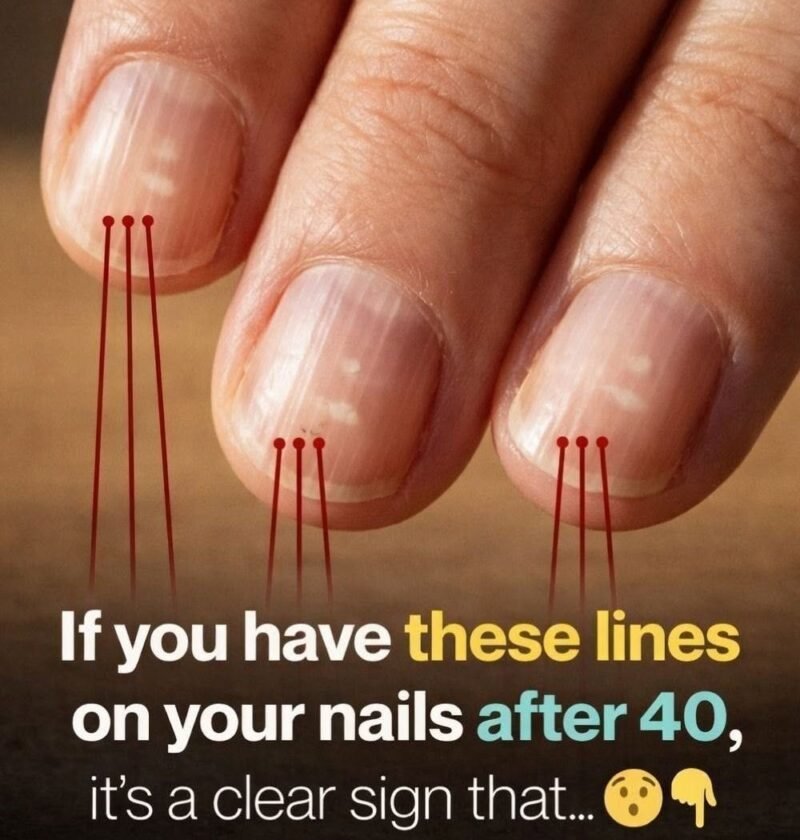
If your nails suddenly become very brittle, develop grooves or discoloration, separate from the nail bed, or change substantially, don’t assume it’s simply aging. Iron deficiency, thyroid problems, fungal infections, medications and other conditions can affect nails and may warrant medical evaluation.