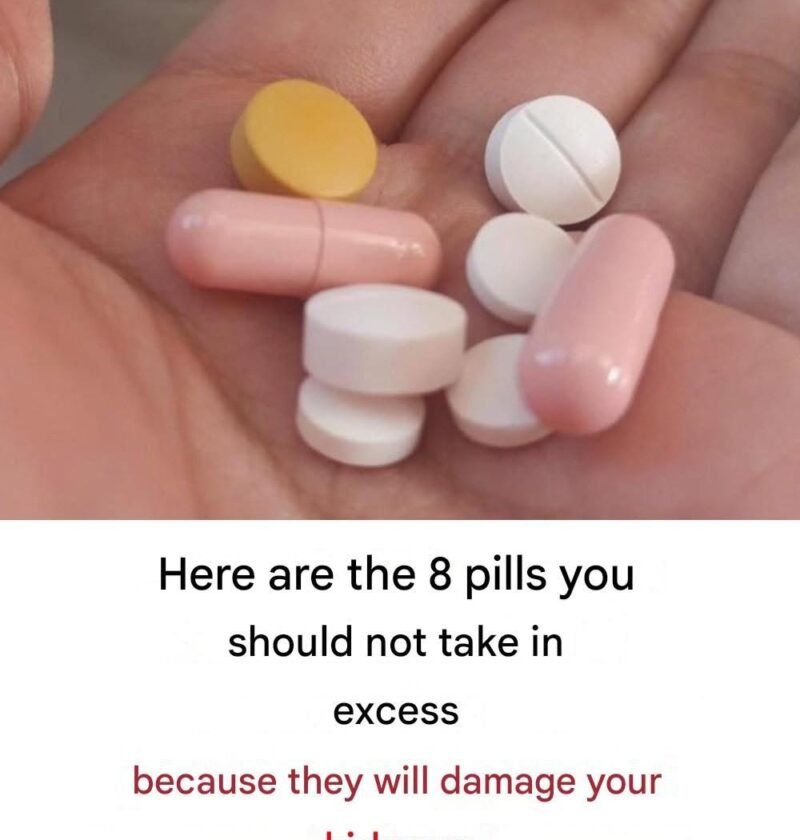
⚠️ “8 Pills You Shouldn’t Take Because They Damage Your Kidneys” — Fact-Checked
That headline is too absolute. There aren’t eight pills that everyone should avoid. Kidney risk depends on the medication, dose, duration, hydration, existing kidney function, and other medicines you’re taking. Some drugs on these lists can actually be important or kidney-protective when appropriately prescribed. (NIDDK)
8 medication groups that deserve attention
- Ibuprofen — an NSAID that can reduce blood flow to the kidneys, particularly with high doses, prolonged use, dehydration, or existing kidney disease. (National Kidney Foundation)
- Naproxen — another NSAID with similar kidney concerns. People with chronic kidney disease generally shouldn’t self-treat with NSAIDs. (National Kidney Foundation)
- Diclofenac — an NSAID that can pose kidney risks, especially with long-term or high-dose use.
- Meloxicam — also an NSAID and can affect kidney blood flow. (National Kidney Foundation)
- Celecoxib — a prescription COX-2 inhibitor; despite being somewhat different from traditional NSAIDs, it can still have kidney-related risks. (National Kidney Foundation)
- High-dose aspirin — aspirin at doses above 325 mg/day is considered an NSAID-related kidney concern. This is different from low-dose aspirin prescribed for cardiovascular protection. (National Kidney Foundation)
- Some antibiotics, antivirals and antifungals — many are eliminated through the kidneys and may accumulate when kidney function is reduced. Some can also directly injure the kidneys. Often the solution is dose adjustment and monitoring, not avoiding the medicine. (National Kidney Foundation)
- Lithium — long-term treatment can affect kidney function in some people and requires appropriate monitoring.
🚨 An especially risky situation
The combination of an NSAID + an ACE inhibitor or ARB + a diuretic, particularly when you’re dehydrated from vomiting, diarrhea, fever, or poor fluid intake, can put substantial stress on the kidneys. (NIDDK)
Important: Don’t stop your prescriptions
Some medications that appear on internet “kidney danger” lists are actually beneficial for the kidneys. For example, ACE inhibitors such as lisinopril and ARBs such as losartan can slow kidney disease in appropriate patients. (NIDDK)
🛡️ Protect your kidneys
- Avoid routinely taking OTC NSAIDs without medical advice if you have kidney disease.
- Use the lowest effective dose for the shortest necessary time when an NSAID is appropriate. (National Kidney Foundation)
- Be particularly cautious when dehydrated.
- Tell your pharmacist about every prescription, OTC medicine, vitamin, and supplement you take.
- If you have kidney disease, ask whether your medications are appropriate for your current eGFR.
Bottom line: Don’t panic about a medication simply because you see it on a viral “kidney damage” list. Don’t stop prescribed medicine on your own. The safest approach is to have your complete medication list reviewed by your doctor or pharmacist, especially if you have kidney disease.