Early Signs of Dementia You Should Never Ignore
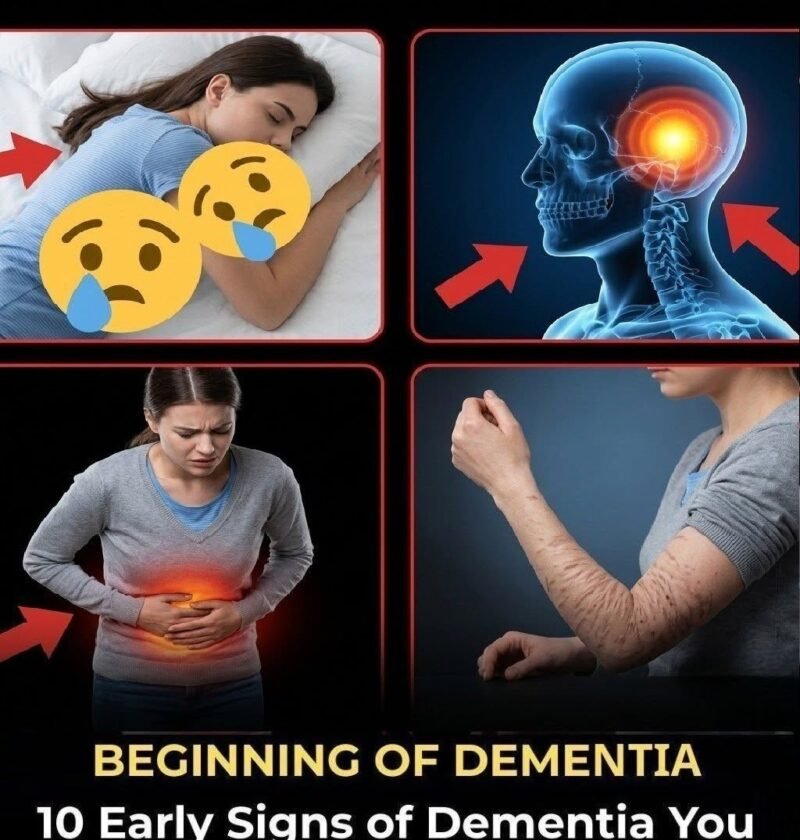
Dementia can develop gradually, and the earliest changes may be subtle. Recognizing persistent changes in memory, thinking, language, or behavior can help someone get assessed earlier.
Important: Forgetfulness does not automatically mean dementia. Stress, poor sleep, depression, vitamin B12 deficiency, thyroid problems, and certain medications can also affect memory.
7 early warning signs of dementia
-
Memory loss that disrupts daily life — repeatedly forgetting recent conversations, appointments, or important events.
-
Difficulty planning or solving problems — struggling with familiar tasks, managing bills, or following a regular recipe.
-
Trouble completing familiar activities — becoming confused while using familiar appliances or following a well-known route.
-
Confusion about time or place — losing track of dates, seasons, or where you are.
-
Problems finding words — frequently losing track of conversations or struggling to name familiar objects.
-
Changes in mood or personality — developing unusual anxiety, irritability, suspicion, or withdrawal from social activities.
-
Misplacing items and struggling to retrace steps — putting things in unusual places and being unable to work out what happened.
When should you seek medical advice?
Arrange a medical appointment if memory or thinking problems are persistent, getting worse, or affecting everyday independence. Early assessment can identify treatable causes and help with planning and support.
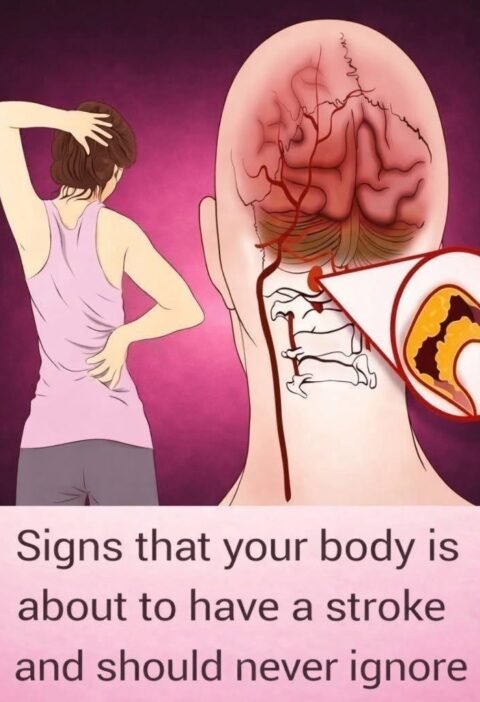
Sudden confusion, especially with facial drooping, weakness on one side, or difficulty speaking, may indicate a stroke or another emergency. Seek emergency medical help immediately rather than assuming it is dementia.
One key distinction: Ordinary age-related forgetfulness usually does not progressively interfere with daily life. Dementia-related changes tend to persist, worsen, and increasingly affect independence, although symptoms vary between individuals.
Would you like to compare normal forgetfulness with dementia or learn about early-onset dementia?