Dry Mouth Every Morning: What Could It Be Signaling?
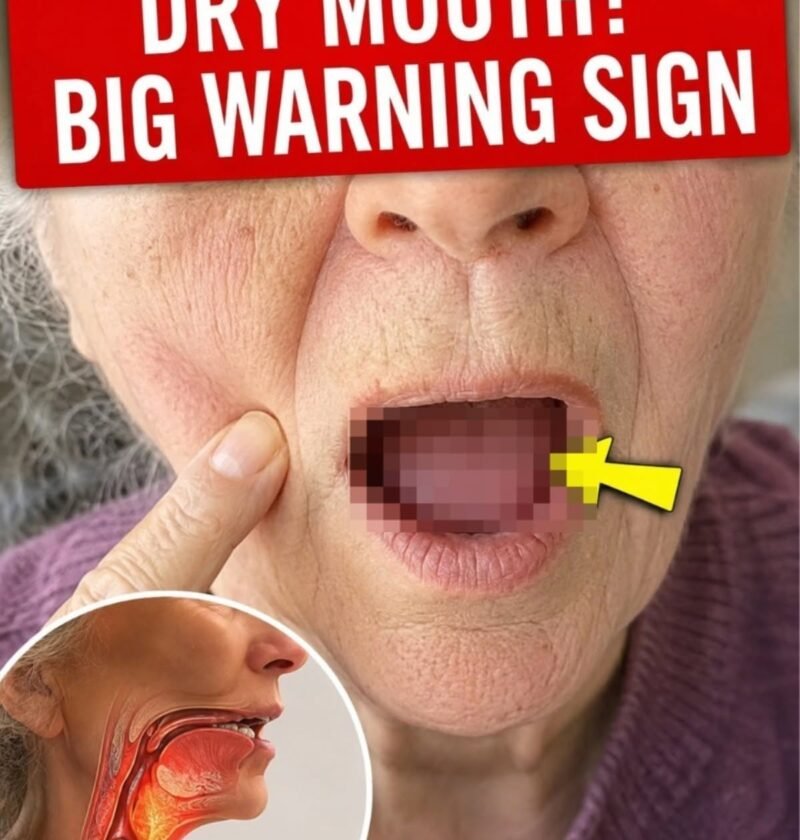
Waking up with a dry mouth is common and usually not a sign of something dangerous. During sleep, saliva production naturally decreases. If you breathe through your mouth, the dryness can become much more noticeable.
M
Mayo Clinic
+1
Common reasons
Mouth breathing or a blocked nose — allergies, congestion, or sleeping with your mouth open can dry the mouth overnight.
Snoring or sleep apnea — waking with a dry mouth is a recognized symptom of sleep apnea, especially when accompanied by loud snoring, gasping, morning headaches, or daytime sleepiness.
M
Mayo Clinic
Dehydration — not drinking enough fluids, sweating, or illness can contribute.
Medications — many medicines can cause dry mouth, including some antihistamines, decongestants, antidepressants, blood-pressure medicines, pain medicines, and diuretics.
M
Mayo Clinic
Diabetes — persistent dry mouth can occur with diabetes, particularly when accompanied by excessive thirst and frequent urination.
M
Mayo Clinic
Sjögren syndrome and other conditions — less commonly, persistent dry mouth can result from disorders affecting saliva production.
N
nhs.uk
What you can try
Drink water regularly, limit excessive alcohol and caffeine, avoid tobacco, and consider sugar-free gum or lozenges to stimulate saliva. Good oral hygiene is particularly important because chronic dry mouth increases the risk of tooth decay, gum disease, and oral infections.
N
nhs.uk
+1
Don’t stop a prescribed medication on your own, even if you suspect it’s causing the dryness. A doctor or pharmacist can review your medicines and determine whether an adjustment is appropriate.
N
nhs.uk
When to get checked
See a healthcare professional or dentist if the dryness persists for several weeks, makes eating or speaking difficult, or occurs with frequent urination, excessive thirst, dry eyes, painful/red mouth, or white patches.
N
nhs.uk
Bottom line: Morning dry mouth is often caused by mouth breathing, dehydration, or medication, but persistent symptoms—especially with loud snoring or daytime sleepiness—are worth investigating.
M
N
Sources