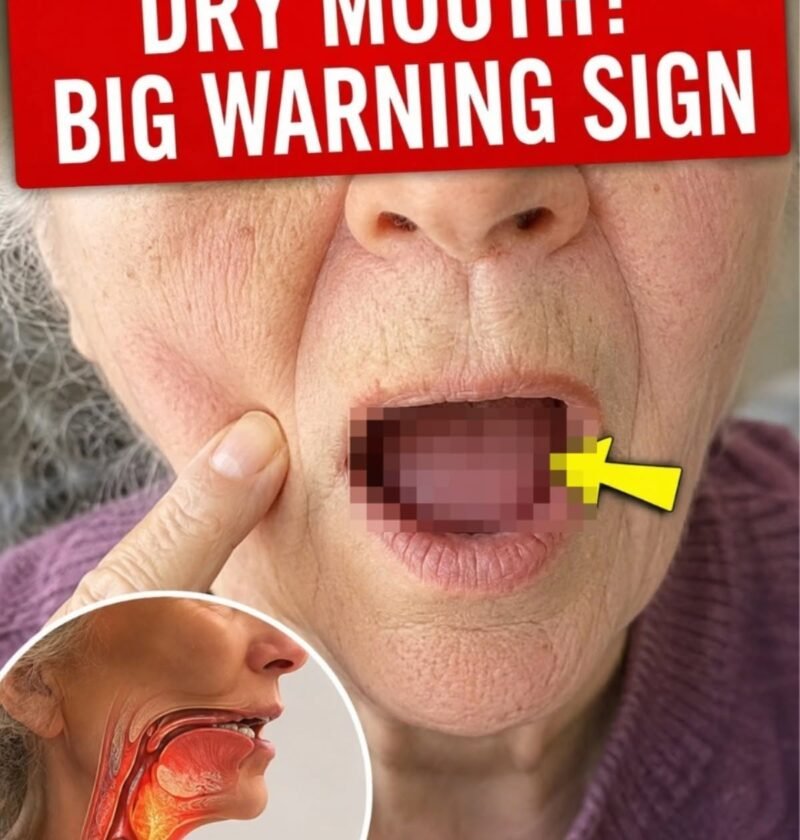
Waking up with a dry mouth is common, but persistent morning dry mouth is worth paying attention to. It doesn’t automatically indicate a serious disease.
What your body could be signaling
You may be sleeping with your mouth open.
Nasal congestion, snoring, or habitual mouth breathing can dry out the mouth overnight.
M
Mayo Clinic
+1
You could be dehydrated.
Not drinking enough fluids during the day can contribute to dry mouth, and dehydration is particularly common among older adults.
N
NIDCR
A medication may be responsible.
Hundreds of medications can reduce saliva, including some used for blood pressure, depression, anxiety, allergies, and pain.
N
NIDCR
+1
It could be related to sleep apnea.
Morning dry mouth can occur with sleep apnea, particularly when accompanied by loud snoring, gasping during sleep, morning headaches, or excessive daytime sleepiness.
M
Mayo Clinic
Blood sugar problems can sometimes contribute.
Diabetes is one of the medical conditions associated with dry mouth. Dry mouth alone, however, is not enough to diagnose diabetes.
N
NIDCR
+1
Your saliva production may be reduced.
Conditions such as Sjögren’s disease and certain treatments affecting the salivary glands can cause persistent dryness.
N
NIDCR
+1
Don’t ignore persistent dryness
Saliva protects your teeth and mouth. Long-lasting dry mouth increases the risk of tooth decay, gum problems and oral infections.
N
NIDCR
+1
Try drinking adequate fluids, using a humidifier at night, breathing through your nose when possible, and chewing sugar-free gum to stimulate saliva. Don’t stop prescription medication on your own; instead, ask your doctor or pharmacist whether dry mouth could be a side effect.
M
Mayo Clinic
If your dry mouth persists despite these measures, or you also have excessive thirst/urination, unexplained weight loss, significant snoring or daytime sleepiness, discuss it with a doctor or dentist.
M
N
Sources