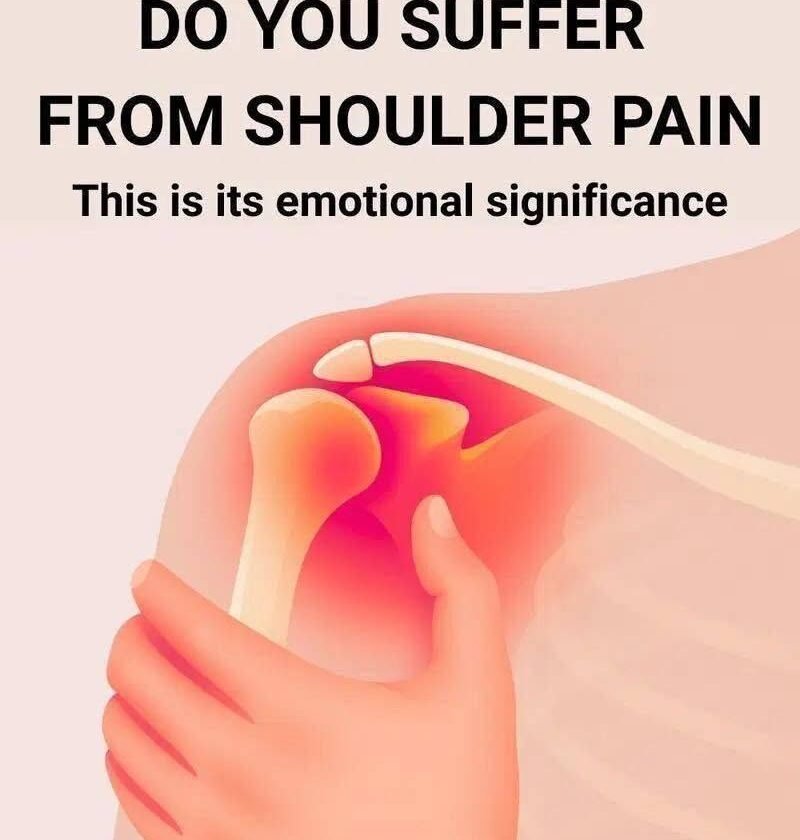
Does shoulder pain have an “emotional meaning”?
If you’re referring to a viral post claiming that different shoulder pains reveal specific emotions—for example, right shoulder = responsibility and left shoulder = emotional burdens—there’s no reliable medical evidence that pain in a particular shoulder corresponds to a particular emotion.
There is, however, a real connection between stress and physical pain.
How emotions can affect your shoulders
Stress, anxiety, and prolonged tension can cause you to unconsciously tighten the muscles of your neck and shoulders. Over time, this can contribute to:
Muscle tension and aching
Headaches
Neck and upper-back pain
Reduced range of motion
Increased awareness of existing pain
Stress can also affect sleep and pain sensitivity, potentially making an existing shoulder problem feel worse.
But don’t assume shoulder pain is “just emotional”
Shoulder pain can have many physical causes, including:
Rotator-cuff problems
Tendinitis or bursitis
Arthritis
Frozen shoulder
Neck-related nerve irritation
Previous injury or overuse
And occasionally, pain felt in the shoulder can be referred pain from another organ. For example, sudden left shoulder/arm discomfort together with chest pressure, shortness of breath, sweating, nausea, or dizziness can be a sign of a heart attack and requires emergency medical attention.
Bottom line
It’s reasonable to consider whether stress is contributing to your shoulder tension, but there is no scientific “emotional map” of the shoulders that can diagnose what you’re feeling emotionally.
If you tell me which shoulder hurts, where exactly the pain is, how long you’ve had it, and what movements make it worse, I can help you understand the more likely physical causes.