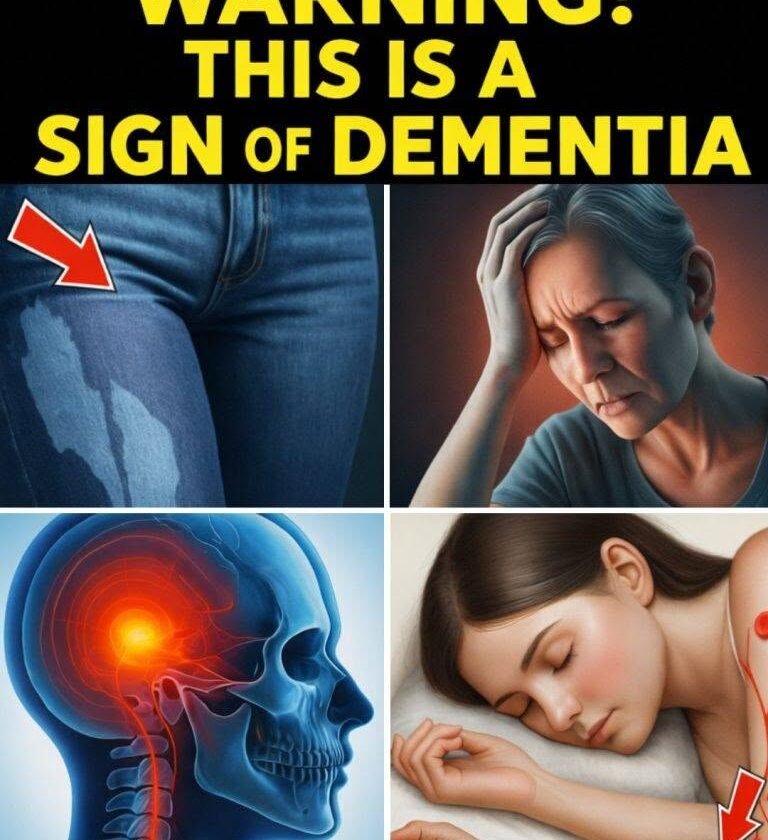
If you’re checking the headline “Discover 9 Early Signs of Dementia Few People Notice and 13 Classic Symptoms to Watch For,” the general idea is reasonable, but the exact numbers 9 and 13 are not an official medical checklist. The Alzheimer’s Association uses 10 warning signs, while dementia can produce different symptoms depending on the underlying disease. (Alzheimer’s Association)
9 early signs that can be easy to overlook
- Repeatedly forgetting recent information — such as conversations or events.
- Asking the same question repeatedly.
- Difficulty planning or solving familiar problems — for example, managing bills or following a familiar recipe.
- Trouble completing familiar activities that were previously easy.
- Difficulty finding familiar words or following conversations.
- Putting objects in unusual places and being unable to retrace one’s steps.
- Increasingly poor judgment or decision-making.
- Withdrawing from hobbies or social activities.
- Noticeable changes in mood or personality, such as increased anxiety, suspicion, irritability or confusion. (Alzheimer’s Association)
Other symptoms that can appear as dementia progresses
These may include getting lost or becoming disoriented, difficulty recognizing familiar people, worsening language problems, difficulty with movement or self-care, sleep disturbances, hallucinations or delusions, and increasingly severe behavioral changes. Not everyone develops all of these symptoms. (nhs.uk)
One important distinction
Occasionally forgetting a name, misplacing something, or forgetting what day it is can happen with normal aging. More concerning is a persistent or progressively worsening change that interferes with everyday life. Dementia is also not an inevitable part of normal aging. (nhs.uk)
If someone is experiencing new or gradually worsening memory or thinking problems, they should be evaluated by a doctor because several treatable conditions and medications can also cause or worsen cognitive symptoms. (nhs.uk)
Sudden confusion is different: sudden confusion requires urgent medical assessment rather than assuming it is dementia. (nhs.uk)