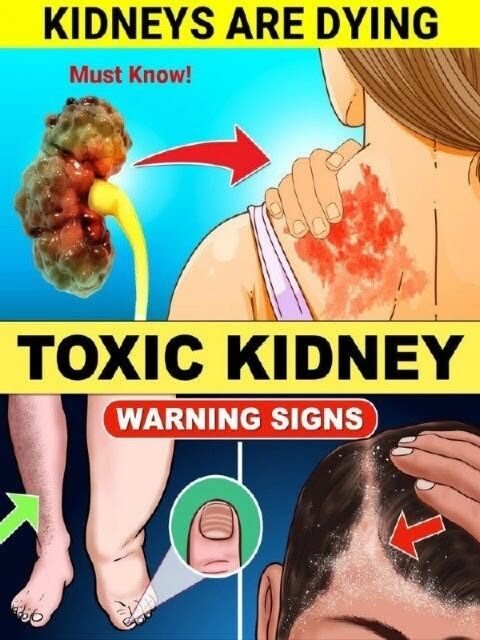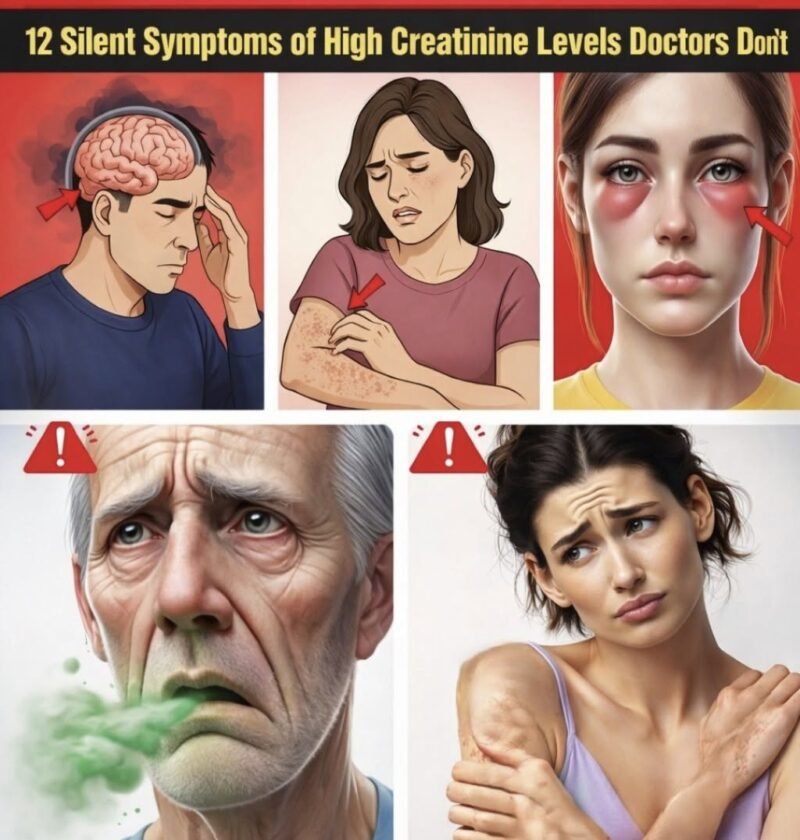
That headline is misleading because creatinine itself usually doesn’t cause symptoms. High blood creatinine is a laboratory finding, most often used to help assess kidney function; it can rise when the kidneys aren’t filtering properly, but it can also be influenced by muscle mass, diet, medications, and other factors.
N
NIDDK
+1
What symptoms can occur with reduced kidney function?
Early chronic kidney disease is often completely symptom-free, so saying there are “12 silent symptoms of high creatinine” is not medically accurate. Testing is often the only way to detect early disease.
N
NIDDK
+1
As kidney function becomes more impaired, possible symptoms include:
Fatigue or low energy
Trouble concentrating
Poor appetite or unexplained weight loss
Nausea or vomiting
Itchy or dry skin
Swelling around the feet, ankles, or legs
Puffy eyes
Muscle cramps
Changes in how often you urinate
Foamy urine
Shortness of breath
Sleep problems
N
National Kidney Foundation
+1
But none of these symptoms proves that creatinine is high. Kidney function is assessed using blood tests such as creatinine/eGFR and urine testing such as the urine albumin-to-creatinine ratio (uACR).
N
NIDDK
A better headline:
“12 Possible Signs of Reduced Kidney Function—Why Blood and Urine Tests Matter More Than Symptoms”
And if someone has a newly elevated creatinine result, it shouldn’t be interpreted from symptoms alone; the result should be discussed with a clinician and considered alongside the eGFR, previous results, medications, hydration status, and other clinical information.
N
N
Sources