Cholesterol: 5 “Warning Signs” That It’s Too High (1/2)
The important fact is that high cholesterol usually causes no symptoms at all. You generally can’t tell from how you feel whether your cholesterol is elevated; a blood test is needed.
Some physical findings can occur with very high or inherited cholesterol, but they aren’t reliable warning signs for most people:
-
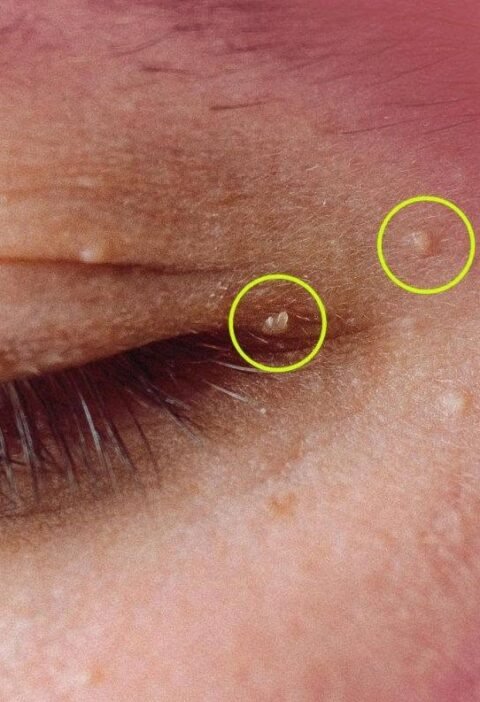
Yellowish patches around the eyes (xanthelasma) — These can sometimes be associated with abnormal lipid levels, although they can also occur in people with normal cholesterol.
-
Tendon xanthomas — Firm yellowish or thickened areas around tendons, particularly the Achilles tendon, can occur with familial hypercholesterolemia.
-
A gray-white ring around the cornea (corneal arcus) — It can be associated with high cholesterol in younger adults, but is common with aging and isn’t by itself proof of high cholesterol.
-
Chest pain with exertion — This isn’t caused directly by high cholesterol. Instead, long-term high LDL cholesterol can contribute to atherosclerosis, which may eventually cause coronary artery disease and angina.
-
Leg pain when walking — Similarly, pain or cramping with walking can occur when atherosclerosis affects leg arteries (peripheral artery disease). It isn’t a direct symptom of high cholesterol itself.
What actually tells you your cholesterol is high?
A lipid panel measures LDL cholesterol, HDL cholesterol, triglycerides, and total cholesterol. Because high cholesterol is often silent, routine testing is much more useful than looking for symptoms.
Bottom line: Don’t wait for physical warning signs. If you have risk factors such as diabetes, high blood pressure, smoking, obesity, kidney disease, or a family history of early cardiovascular disease, discuss appropriate cholesterol testing with your healthcare professional.