The important medical detail is that high cholesterol usually causes no symptoms. You generally cannot tell from how you feel that your cholesterol is high; a blood lipid test is needed.
If you’re explaining the headline, five things sometimes incorrectly presented as “symptoms” are actually possible signs of complications from long-standing cholesterol-related atherosclerosis:
-
Chest pressure or pain — Can occur when narrowed coronary arteries reduce blood flow to the heart.
-
Shortness of breath with exertion — May accompany coronary artery disease, although it has many other causes.
-
Pain or cramping in the legs when walking — Can occur with peripheral artery disease.
-
Sudden weakness, facial drooping, or speech difficulty — These can indicate a stroke or TIA related to vascular disease and require emergency care.
-
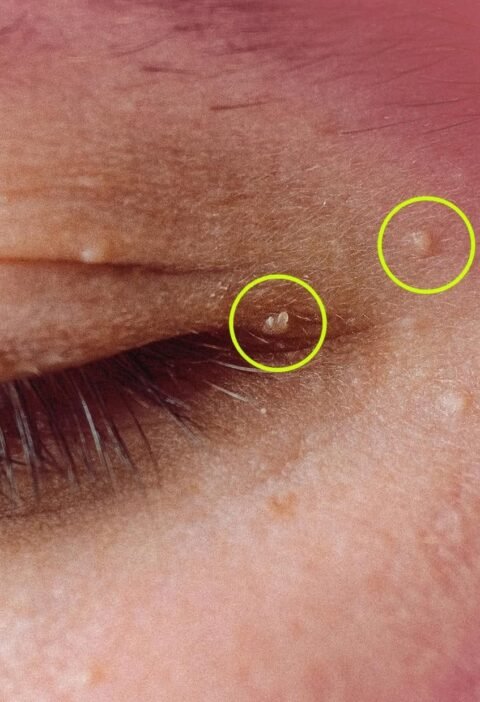
Yellowish cholesterol deposits around the eyes or on tendons — Xanthelasma and tendon xanthomas can occur with certain severe lipid disorders, although they’re not typical signs of ordinary high cholesterol.
The key takeaway
Don’t wait for symptoms to check cholesterol. High LDL cholesterol can silently contribute to plaque buildup for years. A lipid panel can measure LDL, HDL, triglycerides, and total cholesterol and help determine cardiovascular risk.
A more accurate headline would be:
“High Cholesterol: Usually Silent—5 Warning Signs of Possible Artery Complications”