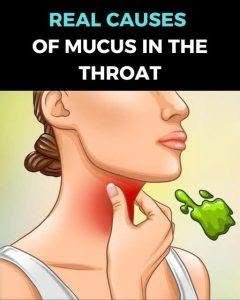
Constant mucus or “phlegm” in the throat is common, but it’s usually a symptom rather than a disease itself. The most common causes are postnasal drip, allergies or nasal irritation, reflux, and respiratory conditions.
The main causes
1. Postnasal drip
Mucus from the nose or sinuses drains down the back of the throat. Allergies, sinus problems, colds, dry air and nasal irritation can all cause it. You may notice frequent throat-clearing, a stuffy/runny nose or a sensation of mucus sliding down your throat.
2. Allergies
Pollen, dust mites, mold and animal dander can increase mucus production. It may come with sneezing, congestion or itchy/watery eyes.
3. Silent reflux (LPR)
Stomach contents can reach the throat without causing classic heartburn. LPR can produce excess mucus, throat clearing, chronic cough, hoarseness or a lump-like sensation.
4. Irritants
Cigarette smoke, pollution, dust and other airborne irritants can inflame the nose and throat and increase mucus.
5. Asthma or another respiratory condition
If the mucus comes with persistent coughing, wheezing, chest tightness or shortness of breath, the source may be lower in the respiratory tract rather than simply the throat.
What you can try
- Drink enough water to keep mucus thinner.
- Try saline nasal spray or a saline rinse if you have nasal congestion/postnasal drip.
- Reduce exposure to smoke, dust and other known irritants.
- If allergies seem responsible, reducing the trigger and using an appropriate allergy treatment can help.
- If reflux seems likely, avoid eating for at least three hours before bedtime and consider raising the head of your bed.
- A humidifier may help if dry air is contributing to thick mucus.
Don’t assume yellow or green mucus automatically means you need antibiotics—mucus color by itself doesn’t reliably establish a bacterial infection.
When it deserves medical evaluation
If the problem is persistent, keeps returning, or isn’t improving with simple measures, a clinician can examine your nose, throat and lungs and determine whether allergies, sinus disease, reflux, asthma or another condition is responsible.
Seek prompt medical attention if you develop significant breathing difficulty, chest pain, coughing up blood, high fever, or severe/worsening symptoms.