Can you remove tartar at home?
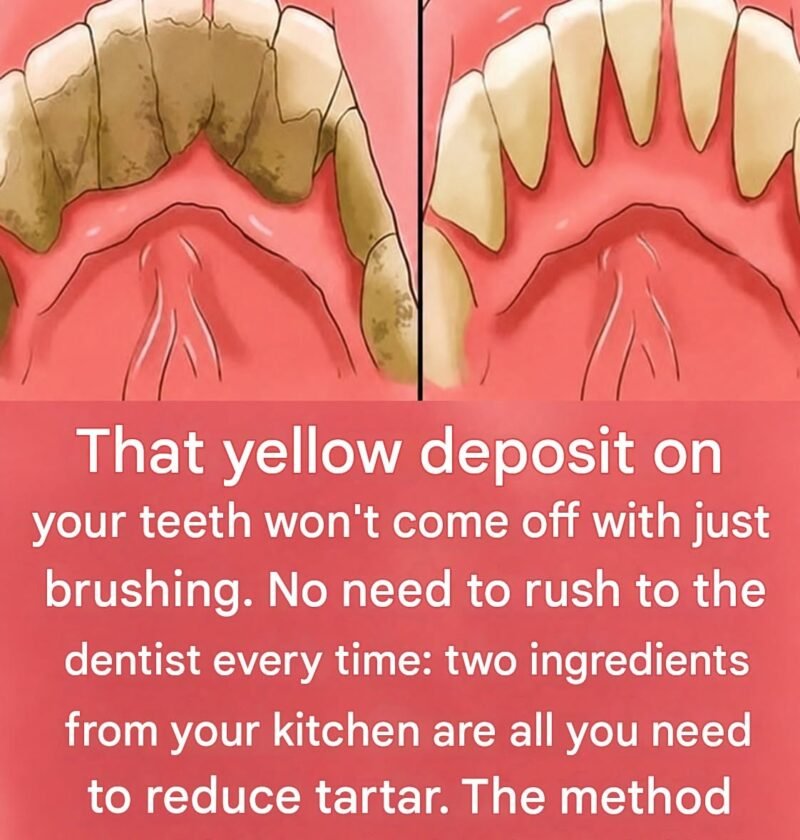
You can prevent and reduce plaque at home, but once plaque hardens into tartar (calculus), brushing or household ingredients generally won’t safely remove it. A dental professional uses specialized instruments to remove hardened deposits without damaging the teeth or gums.
What you can safely do at home
-
Brush twice daily for about two minutes with fluoride toothpaste.
-
Clean between your teeth every day with floss or an interdental brush.
-
If appropriate for you, use an antiseptic or fluoride mouthwash as an additional measure—not a substitute for brushing and interdental cleaning.
-
Don’t smoke or use tobacco, which increases gum-disease risk.
-
Have professional dental cleanings at intervals recommended for your individual oral health.
Avoid DIY “tartar removers”
Don’t scrape your teeth with pins, knives, metal tools, or sharp dental instruments. Likewise, repeatedly using strong acids such as lemon or vinegar can erode tooth enamel. Abrasive mixtures can also damage enamel and gums.
When to see a dentist
If you have hard yellow/brown deposits, bleeding or swollen gums, persistent bad breath, loose teeth, gum recession, or tooth pain, arrange a dental examination.
Bottom line: You can control plaque at home, but hardened tartar is best removed professionally. Trying to scrape it off yourself can cause injury while leaving the underlying dental problem untreated.