Yes—food choices can influence sleep, although insomnia usually has several causes, so diet alone isn’t a cure.
🌙 Foods that may support better sleep
- Kiwi: Some small studies suggest kiwi consumption may improve sleep onset and duration.
- Tart cherries: They contain melatonin and other compounds that may modestly support sleep.
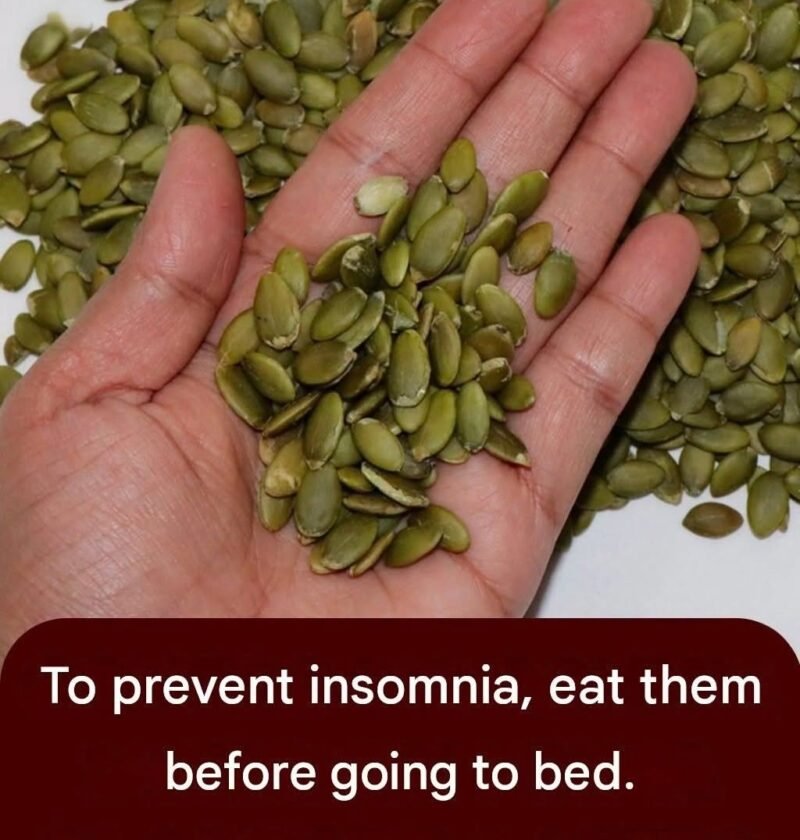
- Nuts and seeds: Almonds, walnuts, pumpkin seeds, and similar foods provide magnesium and other nutrients.
- Complex carbohydrates: Oatmeal, whole grains, or a small serving of rice can be a reasonable evening meal.
- Protein-rich foods: Yogurt, milk, eggs, or a small amount of lean protein can help make an evening meal satisfying.
- Fruits and vegetables: A generally balanced diet is associated with better overall sleep health.
You don’t need to eat a special “sleep food” immediately before bed. Regular meal timing and a balanced diet matter more.
🚫 Foods and drinks to limit
- Caffeine: Coffee, strong tea, energy drinks, cola, and some chocolate can interfere with sleep for hours. If you’re sensitive, avoid caffeine from the afternoon onward.
- Alcohol: It may make you sleepy initially but can fragment sleep and cause earlier awakening.
- Very large or fatty meals close to bedtime: These can cause indigestion or reflux.
- Very spicy foods: Particularly worth avoiding near bedtime if they trigger heartburn.
- Large amounts of fluids late at night: They can cause repeated bathroom trips.
A simple evening option
If you’re hungry before bed, try something light such as plain yogurt with kiwi, or a small bowl of oatmeal with a few nuts.
If insomnia occurs at least 3 nights a week for 3 months, or is significantly affecting daytime functioning, it’s worth discussing with a healthcare professional. Cognitive behavioral therapy for insomnia (CBT-I) is generally considered the first-line treatment for chronic insomnia, rather than relying on foods or sleeping pills.