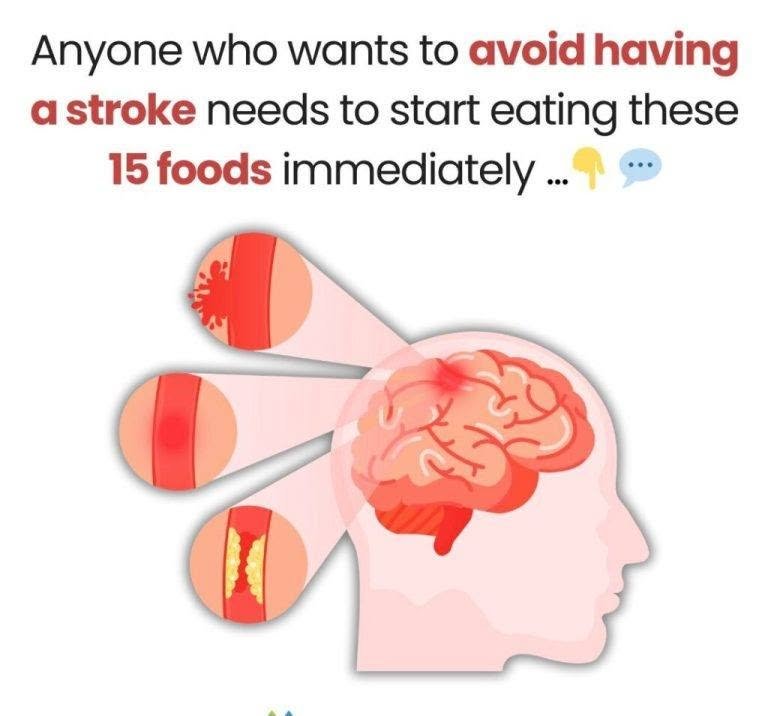
The headline “Anyone Who Wants to Avoid Having a Stroke Needs to Start Eating These 15 Foods Immediately” is too absolute. No food can guarantee that you will avoid a stroke, and you don’t need to suddenly eat 15 specific foods. What matters is an overall heart-healthy eating pattern, particularly one that helps control blood pressure, cholesterol, blood sugar, and weight. The American Stroke Association recommends patterns emphasizing fruits, vegetables, whole grains, legumes, fish, nuts, and healthy oils while limiting excess sodium, added sugar, saturated fat, and highly processed foods.
15 foods that can fit a stroke-prevention diet
- Leafy greens — spinach, kale, mustard greens
- Broccoli and other vegetables
- Tomatoes
- Berries — strawberries, blueberries, etc.
- Oranges and other whole citrus fruits
- Apples
- Beans — kidney beans, black beans, etc.
- Lentils
- Chickpeas
- Oats and other whole grains
- Brown rice or other minimally processed whole grains
- Walnuts and other unsalted nuts
- Seeds — such as flax, chia, or pumpkin seeds
- Fatty fish — such as salmon or sardines
- Olive or other unsaturated vegetable oils
These choices provide combinations of fiber, potassium, vitamins, minerals, healthy fats, and plant compounds and fit the Mediterranean- or DASH-style eating patterns recommended for cardiovascular health.
Don’t overlook what you reduce
For stroke prevention, what you limit can be just as important as what you add. Try to reduce:
- Highly salty and processed foods
- Processed meats
- Excess saturated fat
- Sugary drinks and excessive added sugar
- Highly refined carbohydrates
- Excess alcohol
High sodium intake can raise blood pressure, which is a major stroke risk factor