Why Mixing DIY Ingredients Into Your Face Cream Backfires
-
Destroys preservatives and breeds bacteria: Commercial moisturizers are carefully balanced for pH and preserved against microbes. Stirring in water-based liquids (like lemon juice or aloe), powders, or punctured capsules dilutes preservatives and introduces bacteria or mold directly into the jar.
-
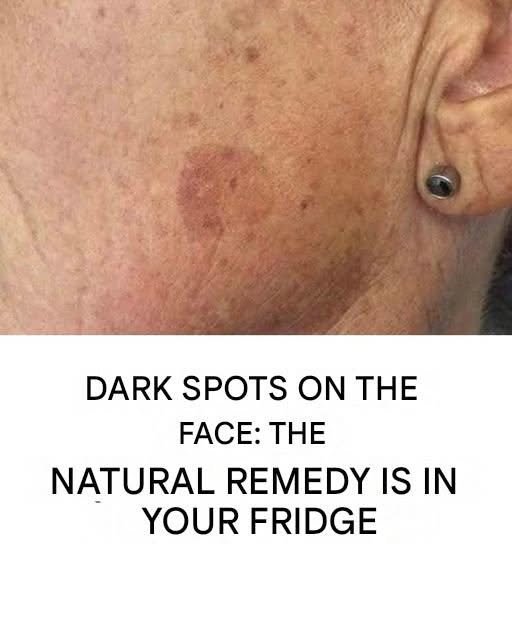
Chemical burns and rebound dark spots: Acidic lemon juice (pH ~2) or alkaline baking soda (pH ~9) strips your skin’s protective acid mantle. On medium-to-deep skin tones especially, that inflammation triggers post-inflammatory hyperpigmentation (PIH)—leaving darker, longer-lasting spots than the original blemish.
-
Uncontrolled potency and clogged pores: Undiluted essential oils (like pure tea tree oil) cause allergic contact dermatitis, while heavy oils or punctured vitamin E capsules can clog pores and worsen acne breakouts.
-
Crushed aspirin is not a proper acne serum: Aspirin (acetylsalicylic acid) breaks down unpredictably into acetic acid (vinegar) and salicylic acid when wet, causing gritty irritation without reliable pore penetration.
What Actually Clears Blemishes Safely (Used Properly, Not Stirred Into a Jar)
-
For clogged pores and active breakouts: Look for a dedicated salicylic acid (BHA, 0.5%–2%) cleanser or leave-on treatment, or benzoyl peroxide (2.5%–5%) to target acne-causing bacteria—applied separately, never mixed into a moisturizer jar.
-
For fading dark spots (hyperpigmentation) and smoothing texture: Proven over-the-counter ingredients include azelaic acid (10%), niacinamide (4%–5%), vitamin C, or a gentle retinoid (such as adapalene 0.1% or retinol) used consistently over 6–12 weeks.
-
Daily broad-spectrum sunscreen (SPF 30+): The single most overlooked step for fading blemishes—UV exposure darkens acne marks and keeps them visible for months longer, even indoors near windows.
-
Keep your moisturizer simple: Use a plain, non-comedogenic moisturizer after targeted treatments dry, rather than turning your cream jar into a mixing bowl.
When to see a dermatologist: Consult a dermatologist if breakouts are deep, painful, cystic, or leaving scars, if dark patches spread or fail to fade after 8–12 weeks of gentle, consistent care, or if a DIY mixture has left your skin burning, peeling, swollen, or blistered.