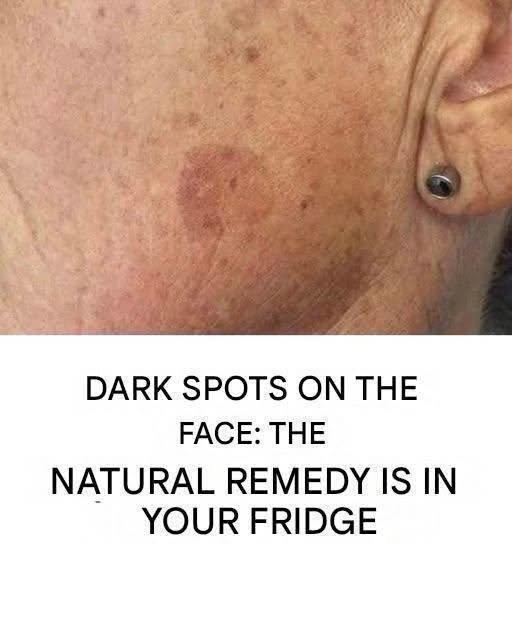
If you mean the viral skincare phrase “Add it to your cream and blemishes on your face will be a distant memory,” the missing ingredient matters enormously. I wouldn’t recommend mixing an unidentified household ingredient into face cream.
What the claim is usually implying
The idea is that adding some “natural” ingredient to an ordinary moisturizer will supposedly turn it into an acne treatment. But acne is not simply a problem of dirty or dry skin, and there isn’t good evidence that an arbitrary DIY mixture will clear it.
Dermatologists generally recommend gentle, non-abrasive skincare and products labeled non-comedogenic or “won’t clog pores.” Irritating the skin can actually make breakouts worse.
What actually has evidence behind it?
For mild acne, ingredients such as benzoyl peroxide, salicylic acid, azelaic acid, and topical retinoids such as adapalene have substantially better evidence than DIY mixtures. Benzoyl peroxide, for example, helps reduce acne-causing bacteria and unclog pores, although irritation and dryness can occur.
A moisturizer can actually be useful alongside acne treatment—particularly if the treatment dries your skin. Look for oil-free/non-comedogenic products.
If you’re referring to a specific viral recipe
Tell me what “it” is (for example, cinnamon, baking soda, aspirin, toothpaste, turmeric, etc.), and I can give you the detailed recipe/claim, explain whether it actually works, possible side effects, and the safest way to use it—or tell you why you shouldn’t put it on your face.