A Month Before a Heart Attack: Can Your Feet Really Warn You?
This viral claim needs an important correction: there are no six specific foot symptoms proven to predict a heart attack exactly one month in advance. However, changes in the feet or legs can sometimes reflect cardiovascular problems and shouldn’t automatically be dismissed.
Six changes worth paying attention to
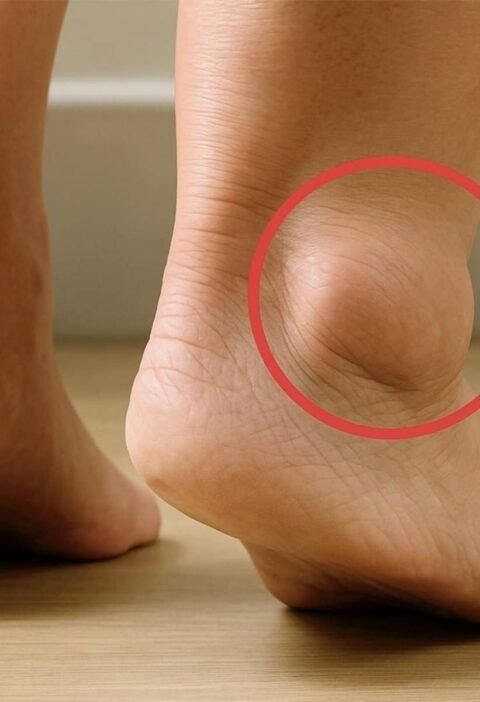
- Swollen ankles or feet
Persistent swelling in both legs can occur with fluid retention from heart failure, although there are many other possible causes. - Cold feet
Persistently cold feet can sometimes be associated with reduced circulation, but cold feet alone are not a reliable warning of an impending heart attack. - Pain or cramping when walking
Leg pain that consistently appears with walking and improves with rest can be a symptom of peripheral artery disease (PAD), which is associated with increased cardiovascular risk. - Changes in skin color
Pale, bluish, or unusually shiny skin on the feet can occur with circulation problems and should be evaluated. - Slow-healing sores
Foot wounds that don’t heal normally can be associated with poor circulation or diabetes. - Numbness or unusual weakness
Persistent numbness, tingling, or weakness may indicate nerve or circulation problems and warrants assessment.
🚨 Don’t wait for foot symptoms if you suspect a heart attack
Heart attacks typically cause symptoms such as pressure, squeezing, fullness, or pain in the chest, sometimes spreading to the arm, shoulder, back, neck, jaw, or upper abdomen. Shortness of breath, cold sweating, nausea, and unusual weakness can also occur.
If these symptoms appear suddenly—especially chest discomfort with shortness of breath, sweating, or nausea—call your local emergency service immediately. Don’t wait for a foot symptom or try to predict whether a heart attack is coming.
Bottom line: Foot changes can sometimes reveal underlying circulation or heart problems, but they aren’t a reliable one-month countdown to a heart attack. Persistent swelling, walking-related leg pain, skin changes, or non-healing wounds are reasons to get checked, even when you otherwise feel well.