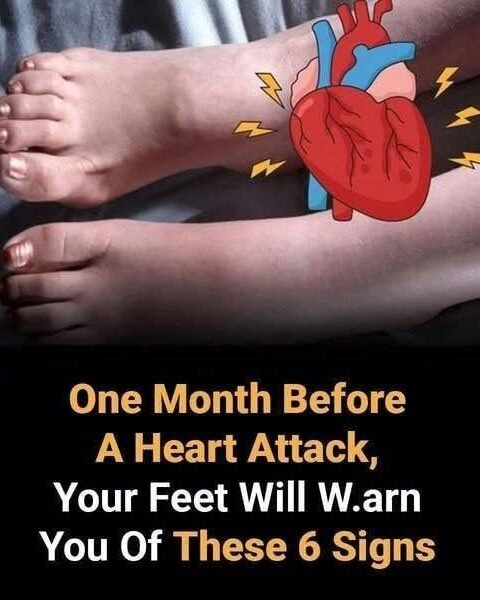
While a heart attack can strike suddenly and dramatically, clinical research shows that the body often sends early warning signals—sometimes weeks or even a month beforehand. These prodromal symptoms occur as coronary arteries gradually narrow or as the heart muscle experiences intermittent oxygen starvation (ischemia).
Recognizing these subtle precursors can provide a vital window for medical evaluation and prevention.
6 Early Warning Signs the Body May Send
-
Unusual, Deep-Seated Fatigue
-
What it feels like: A profound, sudden exhaustion that makes routine daily tasks (like climbing stairs, carrying groceries, or walking short distances) feel overwhelmingly heavy, even after a full night’s sleep.
-
Why it happens: When the heart pump is struggling to circulate blood efficiently due to narrowed arteries, oxygen delivery drops across the body, leading to systemic fatigue. This is especially common as an early sign in women.
-
-
Mild, Intermittent Chest Discomfort (Angina)
-
What it feels like: A fleeting pressure, squeezing, fullness, or aching sensation in the center or left side of the chest. It often comes on during physical exertion or stress and goes away with rest.
-
Why it happens: This indicates that the heart muscle is temporarily starved of oxygenated blood because plaque buildup is restricting blood flow through the coronary arteries.
-
-
Unexplained Shortness of Breath
-
What it feels like: Catching your breath becomes difficult during light activity or even while resting quietly, making you feel as though you cannot take a satisfying, deep breath.
-
Why it happens: Poor cardiac output can cause fluid to back up slightly into the lungs or reduce oxygen exchange, signaling that the heart is struggling to keep pace with the body’s demands.
-
-
Vague Aches in the Jaw, Neck, Back, or Upper Stomach
-
What it feels like: A dull, persistent ache, tightness, or radiating discomfort in the jaw, teeth, neck, upper back, or stomach area (often mistaken for indigestion).
-
Why it happens: Cardiac nerves share similar spinal pathways with nerves from the jaw, neck, and arms. When the heart experiences distress, the brain can misinterpret the pain signals, projecting them to other parts of the upper body.
-
-
Sudden Dizziness, Lightheadedness, or Cold Sweats
-
What it feels like: Brief spells of lightheadedness, unsteadiness, or breaking out into a cold, clammy sweat for no apparent reason.
-
Why it happens: A drop in blood flow or a transient rhythm irregularity can momentarily deprive the brain of optimal perfusion, causing sudden dizziness or autonomic nervous system activation.
-
-
Sleep Disturbances and Anxiety
-
What it feels like: Sudden, unexplained bouts of insomnia, waking up gasping or feeling anxious, or experiencing an impending sense of dread without an obvious psychological trigger.
-
Why it happens: Physical stress from impaired oxygenation and hormonal stress responses (such as a surge in adrenaline) can disrupt sleep patterns and trigger nervous system unease.
-
When to Seek Immediate Emergency Care
While these early signs can manifest weeks ahead, acute heart attack symptoms require immediate emergency intervention (calling emergency services). Do not wait if you or someone else experiences:
-
Intense, crushing chest pressure or pain lasting more than a few minutes.
-
Severe pain radiating rapidly down the left arm, jaw, or shoulder blade.
-
Sudden vomiting, severe shortness of breath, and cold sweats combined.