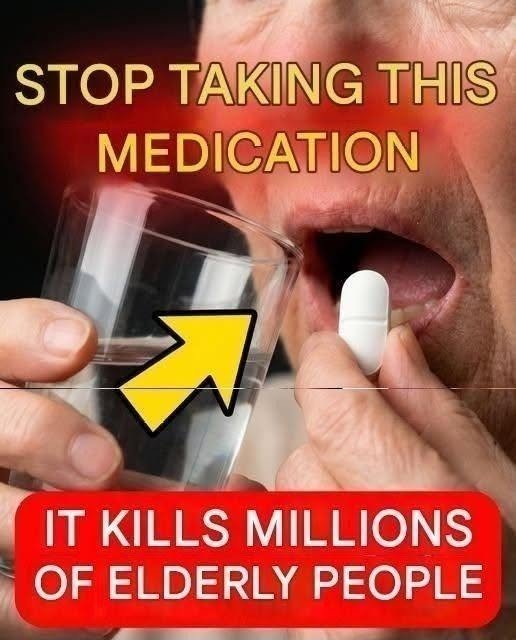
The headline is too broad as written. Some medications can increase cardiovascular risk in older adults, but the risk depends on the specific drug, dose, duration, medical conditions, and other medications.
5 medication groups that deserve particular caution
-
NSAID painkillers — Ibuprofen, naproxen, and similar drugs can increase the risk of heart attack and stroke, particularly with higher doses or longer use. The FDA specifically warns about this cardiovascular risk. FDA Access Data+1
-
Decongestants — Pseudoephedrine and phenylephrine can raise blood pressure and constrict blood vessels, which can be problematic for people with hypertension or cardiovascular disease. www.heart.org+1
-
Systemic corticosteroids — Medicines such as prednisone and methylprednisolone can raise blood pressure and may worsen cardiovascular risk factors in susceptible people. www.heart.org
-
Some antipsychotic medications — Certain atypical antipsychotics can affect cardiovascular risk factors, and their use in older adults with dementia carries important safety concerns. They should only be changed under medical supervision.
-
Some combinations of blood-thinning medicines and other drugs — Antiplatelet and anticoagulant medicines can be lifesaving when appropriately prescribed, but combinations can substantially increase bleeding risk. Older adults often require individualized dosing because aging can change drug metabolism and kidney function. professional.heart.org+1
One important warning
Don’t stop any prescribed medication because of a headline like this. For example, aspirin is appropriate for some people who have already had a heart attack or stroke, while routine aspirin for primary prevention can have an unfavorable risk-benefit balance in some adults over 70. www.heart.org
A more medically accurate headline would be:
“5 Medication Types Older Adults Should Review With Their Doctor for Heart and Stroke Risk”