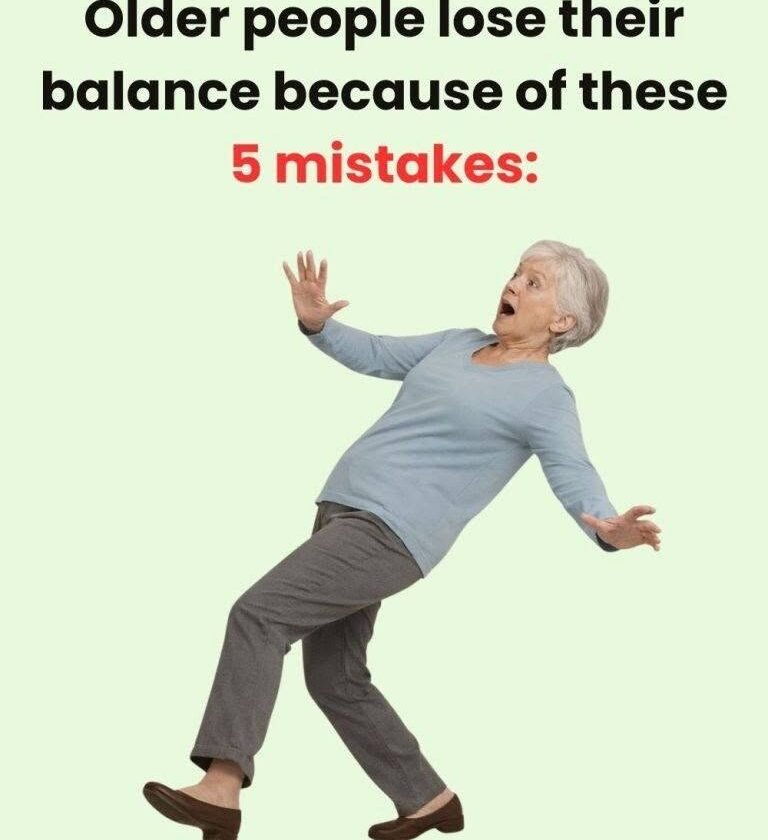
Common Mistakes That Affect Balance in Older Adults
Balance problems become more common with age, but frequent dizziness, unsteadiness, or falls should not simply be dismissed as aging. Several everyday factors can make balance worse.
Being too inactive: Lack of movement can weaken the legs and reduce balance. Safe strength and balance exercises can help.
Wearing unsuitable footwear: Loose slippers, worn soles, and shoes with poor grip can increase the risk of slipping.
Standing up too quickly: A sudden drop in blood pressure can cause dizziness or lightheadedness.
Ignoring vision changes: Poor vision can make steps, obstacles, and uneven surfaces harder to detect.
Not reviewing medications: Some medicines can cause dizziness, drowsiness, or low blood pressure. A doctor or pharmacist can review medications if balance has changed.
Keeping clutter on the floor: Loose rugs, cords, and poorly lit walkways are common household fall hazards.
Avoiding recommended walking aids: A properly fitted cane or walker can improve safety when one is medically appropriate.
Neglecting muscle strength: Weak legs make it harder to recover after stumbling. Resistance exercises can help maintain strength.
Dehydration: Not getting enough fluids can contribute to dizziness in some people.
Ignoring repeated falls: Recurrent falls or a new decline in balance deserves medical assessment to identify the underlying cause.
🚨 Sudden balance problems can be an emergency
If loss of balance occurs suddenly, especially together with facial drooping, one-sided weakness or numbness, difficulty speaking, severe dizziness, or vision changes, call emergency medical services immediately. These can be signs of a stroke.
Bottom line: Staying safely active, improving home safety, checking vision and footwear, and reviewing medications can all help protect balance. New or worsening balance problems should be evaluated rather than assumed to be a normal part of getting older.