7 Walking Mistakes That Can Affect Your Health After 50
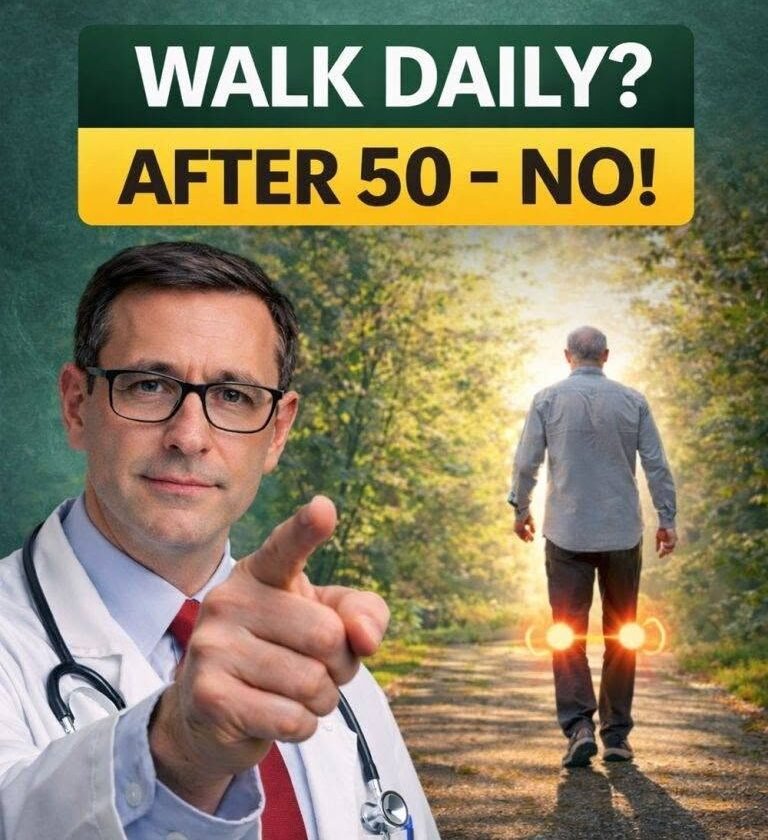
Walking is one of the simplest ways to stay active as you age. But how you walk—and what you do alongside walking—matters. Regular physical activity can improve strength, balance, mobility, sleep and overall health in older adults. (CDC)
1. Walking too little
Spending most of the day sitting and relying on short bursts of activity can leave your muscles and balance undertrained. Even modest amounts of regular activity provide health benefits. (CDC)
2. Walking too fast for your ability
A faster pace isn’t automatically better. If you’re struggling to maintain control, especially on uneven ground, you increase the chance of stumbling. Build your pace gradually and choose a speed at which you can walk safely.
3. Ignoring balance and strength training
Walking is excellent aerobic exercise, but it doesn’t replace strength and balance exercises. Older adults benefit from combining aerobic activity with muscle-strengthening and balance activities. (CDC Tools)
4. Looking down at the ground constantly
Watching every step can alter your natural walking pattern and make it harder to notice what’s ahead. Keep your head up when possible and scan the path for obstacles, uneven surfaces and changes in elevation.
5. Wearing unsafe footwear
Loose slippers, worn soles, poorly fitting shoes and footwear without adequate support can increase instability. Properly fitting, nonslip footwear is particularly important if you already have balance problems. (CDC)
6. Ignoring dizziness, pain or new unsteadiness
Don’t simply assume that feeling dizzy or suddenly becoming unsteady is “just aging.” Medication effects, vision problems, blood-pressure changes and other medical issues can contribute to falls. A new or worsening walking problem deserves evaluation. (CDC)
7. Treating the walking environment as an afterthought
Uneven sidewalks, wet floors, loose rugs, poor lighting, clutter and unsecured cords can turn an ordinary walk into a fall hazard. Keeping walking areas clear and well lit is an important part of fall prevention. (CDC)
A better approach after 50
Aim for consistent, comfortable walking, and gradually increase duration or intensity as your fitness improves. Add strength and balance exercises rather than depending on walking alone. If you have a chronic condition, significant pain, or a history of falls, ask a healthcare professional about an appropriate exercise plan. (CDC)
Bottom line: Walking shouldn’t leave you routinely dizzy, in significant pain, or struggling to maintain your balance. The goal isn’t simply to walk more—it’s to walk safely while maintaining strength, balance and independence.