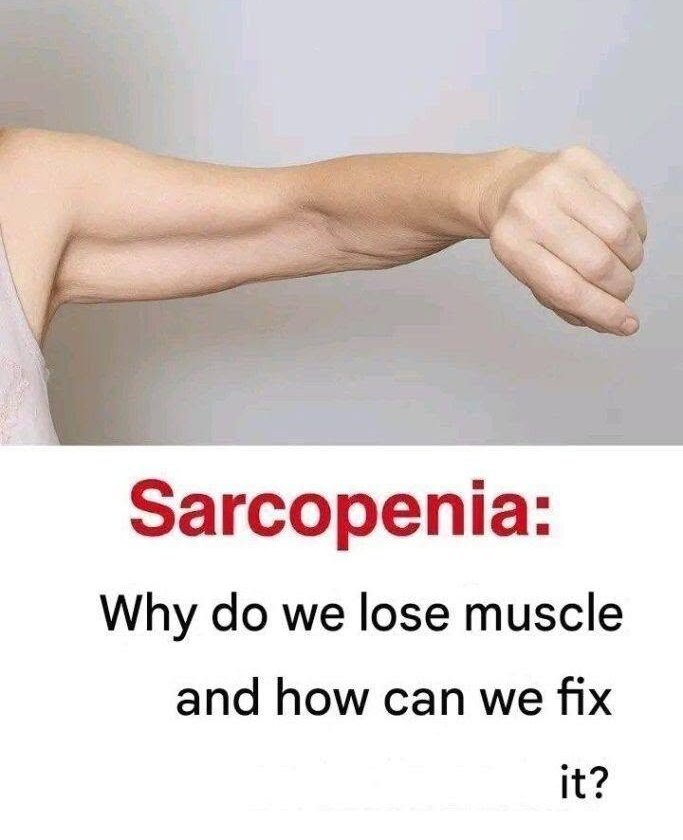
Sarcopenia: Causes of Muscle Loss and What Can Help
Sarcopenia is the age-related loss of muscle mass, strength, and physical performance. It becomes more common with advancing age, but significant muscle loss isn’t something you simply have to accept. Strength training, adequate nutrition, and treating underlying health problems can help preserve function.
What causes muscle loss?
Several factors can contribute:
Aging: Muscle-building responses become less efficient over time.
Physical inactivity: Bed rest, sedentary living, or prolonged inactivity can accelerate muscle loss.
Insufficient protein or calories: Not eating enough can make it difficult to maintain muscle.
Chronic illnesses: Conditions such as diabetes, heart disease, kidney disease, and inflammatory disorders can contribute.
Hormonal changes: Age-related changes in hormones can affect muscle maintenance.
Poor sleep and chronic stress: These can interfere with recovery and physical activity.
Certain medications or treatments: Some treatments can contribute to weakness or muscle loss.
💪 The most important solution: resistance exercise
Strength training is one of the most effective ways to preserve and improve muscle function.
For older adults, exercises such as chair stands, resistance-band exercises, squats adapted to ability, and light weights can be useful. Ideally, a qualified professional can help create a program appropriate for your fitness level and medical conditions.
🍳 Get enough protein
Spread protein-containing foods throughout the day. Good choices include:
Eggs
Fish and lean meats
Milk and yogurt
Beans and lentils
Tofu and other soy foods
Nuts and seeds
People with certain medical conditions—particularly kidney disease—may need individualized protein recommendations.
🚶 Don’t forget balance and aerobic activity
Walking and other aerobic activities support cardiovascular health, while balance exercises can help reduce fall risk. A combination of strength, aerobic, and balance activity is generally more useful than focusing on one type alone.
When should muscle loss be investigated?
Talk with a healthcare professional if you’re experiencing rapid or unexplained weight loss, increasing weakness, repeated falls, difficulty climbing stairs, rising from a chair, or performing everyday activities.
The clinician may look for nutritional deficiencies, medication effects, thyroid problems, neurological conditions, and other causes rather than assuming everything is due to aging.
Bottom line: You can’t stop aging, but you can often slow or partially reverse age-related muscle loss. Regular resistance training plus adequate nutrition is the foundation; supplements marketed as “muscle boosters” aren’t a substitute for either.