What Is the Normal Blood Pressure for Each Age?
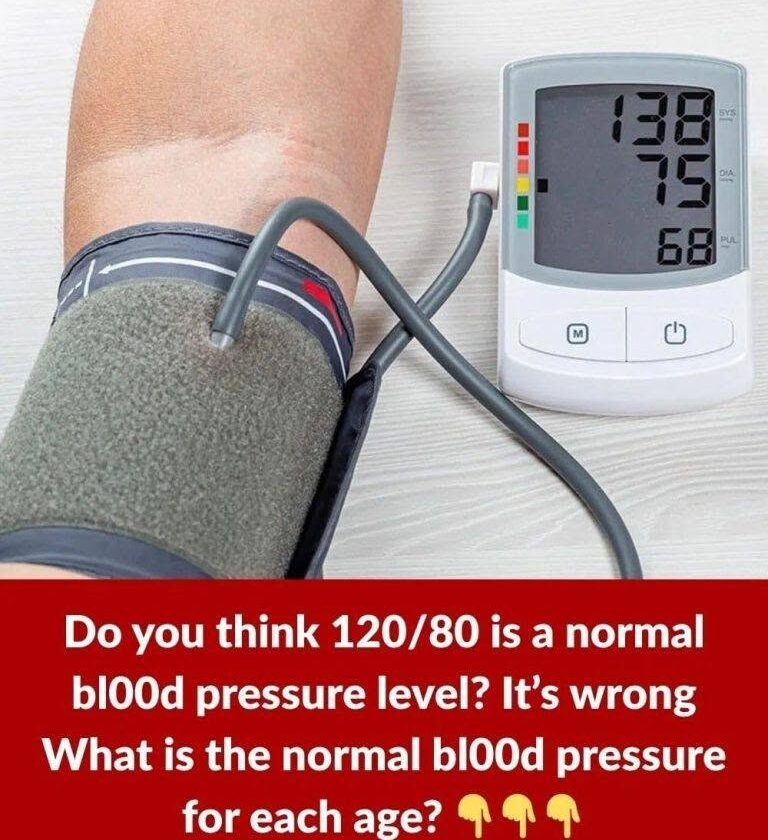
Blood pressure does not have one fixed “normal” number for every age. A healthy level depends on your overall health, medications, lifestyle, and medical conditions. Age can influence blood pressure trends, but it does not mean that high blood pressure is automatically normal.
General Blood Pressure Categories (Adults)
- Normal: Below 120/80 mmHg
- Elevated: 120–129 / below 80 mmHg
- High blood pressure: 130/80 mmHg or higher (when consistently measured)
Approximate Healthy Ranges by Age
| Age | Typical Blood Pressure Range (Approximate) |
|---|---|
| Children | Varies by age, height, and sex |
| Teenagers (13–19) | Around 110–120 / 65–80 mmHg |
| Adults (20–39) | Around 110–130 / 70–85 mmHg |
| Adults (40–59) | Around 120–135 / 70–85 mmHg |
| Adults (60+) | Often around 120–140 / 70–90 mmHg, depending on health status |
For Older Adults
Blood pressure may increase with age because arteries can become less flexible. However, persistent high blood pressure should not be ignored, because it raises the risk of:
- Stroke
- Heart disease
- Kidney damage
- Vision problems
Many older adults have personalized blood pressure targets based on their health history and risk factors.
When Blood Pressure Is Too High
Contact a healthcare professional if your readings are repeatedly:
- 130/80 mmHg or higher
Seek urgent medical help if your blood pressure is around:
- 180/120 mmHg or higher, especially with symptoms such as:
- Chest pain
- Trouble breathing
- Severe headache
- Confusion
- Weakness on one side of the body