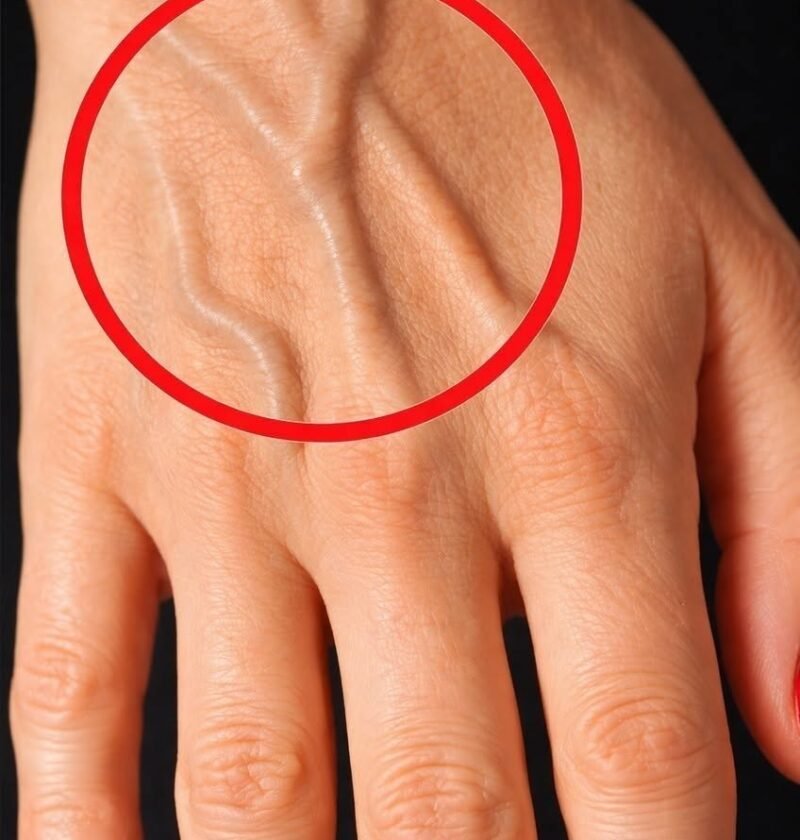
When people notice their veins are suddenly or unusually visible, it can spark a lot of curiosity or concern. Having visible veins doesn’t mean just one thing—it is usually the result of a combination of physical traits, lifestyle factors, or natural changes in the body.
Here is what it typically means when your veins are prominently visible:
Common Reasons Your Veins Are Visible
-
1. You Have Low Body Fat (Lean Physique)
-
What it means: This is the most common and harmless reason. Fat acts as a natural layer of insulation and padding beneath the skin. When body fat percentage drops, that layer thins out, bringing the superficial veins closer to the surface and making them pop out more clearly.
-
-
2. You Have Low Skin Thickness or Fair Skin
-
What it means: Naturally thinner skin or a fair complexion allows blood vessels underneath to show through much more easily than on thicker or darker skin. As we age, skin also loses collagen and thins, making veins more apparent over time (especially on the hands and legs).
-
-
3. You Are Well-Hydrated and Have Higher Blood Volume
-
What it means: When you drink plenty of water, your overall blood volume increases slightly, and fluid pushes outward against your blood vessel walls, making them firmer and more prominent.
-
-
4. You Engage in Regular Exercise or Strength Training
-
What it means: Working out increases blood flow, temporarily expands your blood vessels (vasodilation), and pumps more blood into your muscles. Over time, consistent weight lifting or resistance training also lowers body fat and builds muscle mass, pushing veins closer to the skin.
-
-
5. You Are Experiencing Natural Aging
-
What it means: As people get older, the skin loses elasticity and subcutaneous fat, and vein walls can weaken slightly, causing veins to become more prominent, especially on the hands, arms, and legs.
-
-
6. Hormonal Changes or High Temperatures
-
What it means: Heat causes blood vessels to dilate (expand) to help cool the body down, which can make veins much more noticeable on hot days. Hormonal shifts (such as during pregnancy) can also increase blood volume and relax vessel walls.
-
When Visible Veins Mean Something Else
While visible veins are usually normal and healthy (especially in athletic or fair-skinned individuals), they can sometimes indicate an underlying medical issue if accompanied by specific symptoms:
-
Varicose Veins: If veins in the legs become enlarged, twisted, bulging, or rope-like, it often points to chronic venous insufficiency—a condition where the tiny one-way valves inside the veins weaken, allowing blood to pool backward instead of flowing smoothly up to the heart. This can cause aching, heaviness, or swelling.
-
Spider Veins: These are tiny, damaged capillaries that appear close to the surface of the skin in web-like patterns, often caused by genetics, prolonged standing, or hormonal factors.
When to see a doctor: If your prominent veins are accompanied by persistent leg pain, swelling, cramping, skin discoloration, or sores (ulcers) near the ankles, it is a good idea to consult a vascular specialist or your primary care physician for an evaluation.
Are the visible veins you are noticing on your hands, arms, or legs, and are they accompanied by any discomfort or swelling?