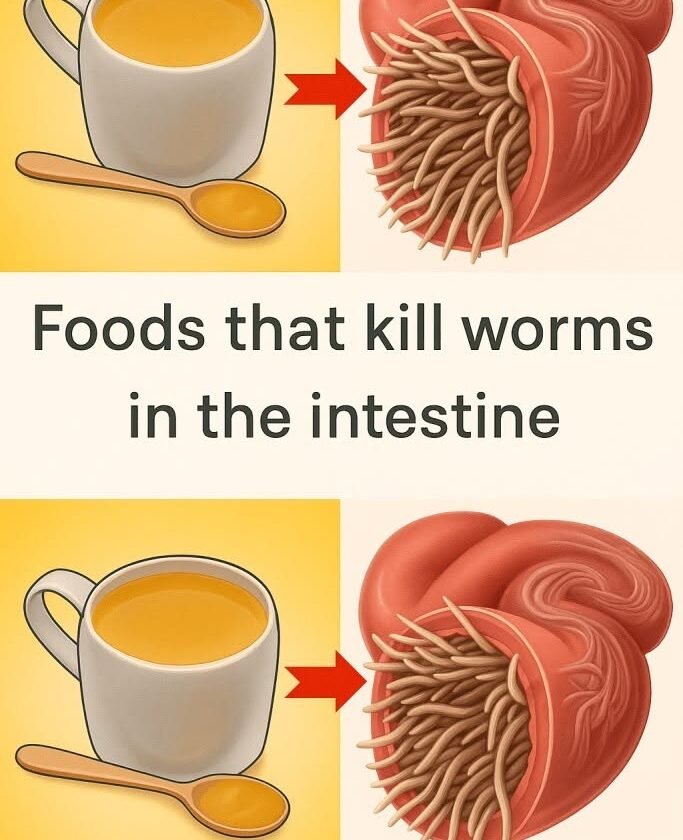
If you’re referring to intestinal worms, it’s important to separate foods that may support digestive health from foods that actually treat a parasitic infection. There isn’t good evidence that eating a particular food will reliably kill intestinal worms.
7 foods sometimes discussed for “natural deworming”
Garlic — contains sulfur compounds with antimicrobial activity in laboratory studies, but eating garlic isn’t a proven treatment for intestinal worms.
Pumpkin seeds — traditionally used in some cultures for parasites, but evidence that ordinary consumption eliminates an infection is limited.
Papaya — papaya seeds have been studied in small preliminary studies, but they aren’t an established deworming treatment.
Pomegranate — contains plant compounds being investigated for antiparasitic effects, but food consumption isn’t a substitute for treatment.
Carrots — nutritious and fiber-rich, but they don’t kill intestinal worms.
Ginger — may have antimicrobial properties, but there isn’t strong clinical evidence that eating ginger eradicates intestinal parasites.
Coconut — provides useful nutrients and healthy fats, but claims that it reliably kills intestinal worms aren’t well supported.
🩺 What actually treats intestinal worms?
Treatment depends on the specific parasite. Depending on the infection, clinicians may use medicines such as albendazole, mebendazole, pyrantel pamoate, or praziquantel. The appropriate medication and dose vary by parasite, age, pregnancy status, and other factors.
If you have worms or eggs in your stool, persistent abdominal pain, prolonged diarrhea, unexplained weight loss, significant itching around the anus, or recently traveled to an area where certain parasites are common, medical evaluation and appropriate testing are much more reliable than trying a food-based “worm cleanse.”
Don’t take veterinary dewormers or large amounts of herbal preparations to treat yourself.