Waking Up With Dry Mouth? Here’s What Your Body May Be Telling You
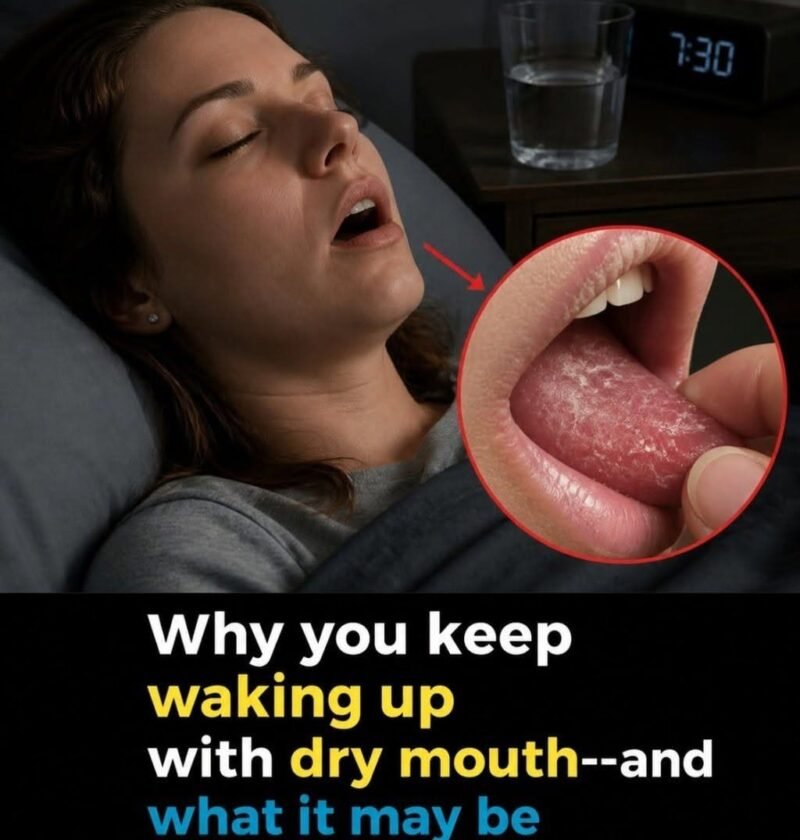
Waking with a dry or sticky mouth is common and usually isn’t a sign of a serious disease. It happens when saliva production decreases or when you breathe through your mouth during sleep.
Common causes
Mouth breathing: A blocked nose, allergies, snoring, or sleeping with your mouth open can dry the mouth overnight.
Dehydration: Not drinking enough fluids can contribute to dryness.
Medications: Many medicines can reduce saliva, including some antihistamines, antidepressants, decongestants, and blood-pressure medicines.
Sleep apnea: Loud snoring, gasping during sleep, morning headaches, and daytime sleepiness together with dry mouth can warrant an evaluation.
Alcohol and tobacco: Both can worsen dry mouth.
Diabetes: Dry mouth combined with unusual thirst and frequent urination can sometimes occur with high blood glucose.
Reduced saliva production: Certain medical conditions or salivary-gland problems can cause persistent dryness.
What you can do
Drink fluids regularly throughout the day, address nasal congestion, avoid tobacco, and limit alcohol. Sugar-free gum or lozenges can stimulate saliva production. A humidifier may also make sleeping more comfortable.
Don’t force yourself to drink excessive amounts of water before bed—you may simply wake up repeatedly to urinate.
When to get checked
If dry mouth occurs almost every morning for several weeks, or you have difficulty swallowing, persistent mouth sores, frequent cavities, dry eyes, or excessive thirst and urination, talk with a doctor or dentist.
Bottom line: Morning dry mouth is often related to mouth breathing, medications, or hydration, but persistent symptoms are worth investigating rather than assuming they’re simply part of aging.