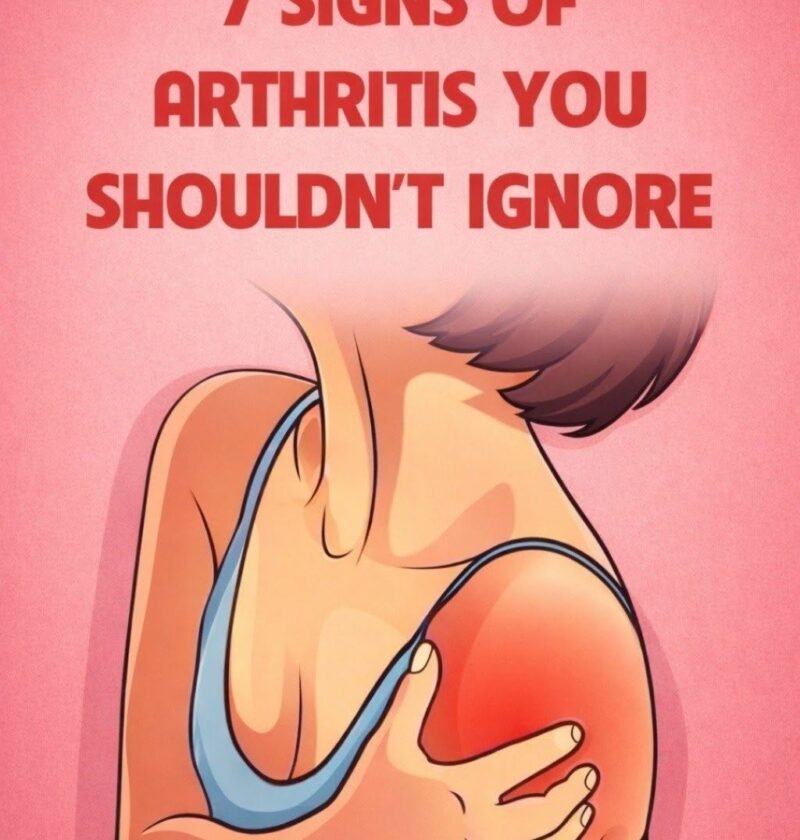
7 Signs of Arthritis You Shouldn’t Ignore
Arthritis isn’t simply a normal part of getting older. There are many forms of arthritis, and symptoms can range from mild stiffness to significant inflammation and joint damage. (NIAMS)
1. Persistent joint pain
Pain or aching that keeps returning—particularly in the knees, hips, hands, feet, or spine—deserves attention. Osteoarthritis pain often worsens with activity, while inflammatory arthritis can cause pain even at rest. (NIAMS)
2. Morning stiffness
If your joints feel stiff when you wake up, pay attention to how long it lasts. Osteoarthritis typically causes stiffness lasting less than about 30 minutes. Stiffness lasting more than 30 minutes, particularly with swelling in several joints, can be a sign of rheumatoid arthritis or another inflammatory condition. (NIAMS)
3. Swollen, warm, or tender joints
Visible swelling, warmth, or tenderness can indicate inflammation. Rheumatoid arthritis commonly produces painful, swollen joints and may affect the same joints on both sides of the body. (NIAMS)
4. Reduced range of motion
Difficulty bending a knee, moving your shoulder, making a fist, climbing stairs, or performing everyday tasks can occur as arthritis progresses. (NIAMS)
5. Grinding, clicking, or instability
A grinding or scraping sensation in a joint—particularly the knee—can occur with osteoarthritis. A joint that repeatedly feels unstable or “gives way” also warrants assessment. (NIAMS)
6. Symptoms in several joints on both sides
Pain, stiffness, tenderness, and swelling affecting multiple joints symmetrically—for example, both hands or both knees—is particularly characteristic of rheumatoid arthritis. (NIAMS)
7. Fatigue, fever, or unexplained weight loss alongside joint symptoms
Don’t assume these symptoms are simply part of aging. Rheumatoid arthritis can produce fatigue, weakness, occasional fever, and loss of appetite or weight in addition to joint problems. (NIAMS)
When should you see a doctor?
Make an appointment if joint pain, swelling, or stiffness persists, repeatedly returns, or interferes with normal activities. Early evaluation is particularly important when inflammatory arthritis is suspected because treatment can help prevent or limit joint damage. (NIAMS)
Important: These symptoms don’t automatically mean you have arthritis. Joint pain can have many causes, and different types of arthritis require different treatments. A healthcare professional can distinguish among them using your history, physical examination, and, when appropriate, blood tests or imaging. (NIAMS)
If you have one suddenly very swollen, red, hot, and extremely painful joint, especially with fever, seek prompt medical assessment rather than assuming it’s ordinary arthritis.