If you’re developing this as a health-content topic, a more accurate explanation is that nighttime leg cramps have several possible causes, and they’re not always due to one specific deficiency.
This Is Why We Get Cramps at Night
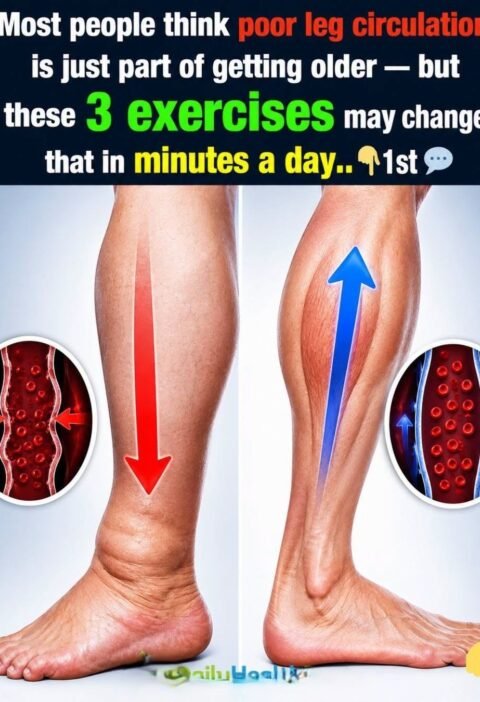
Nighttime leg cramps are sudden, involuntary muscle contractions—most commonly in the calf, foot, or thigh. They can be extremely painful but are usually harmless.
Common contributors include:
Muscle fatigue or overuse — A hard workout, prolonged walking, or standing can make muscles more susceptible to cramping.
Prolonged sitting or certain sleeping positions — Keeping a muscle shortened for a long time may contribute to cramps.
Dehydration — Losing fluids through sweating or simply not drinking enough can increase the likelihood of muscle cramps.
Electrolyte abnormalities — Low or abnormal levels of minerals such as potassium, calcium, or magnesium can contribute in some circumstances, but cramps don’t automatically mean you’re deficient.
Age — Nighttime leg cramps become more common as people get older.
Pregnancy — Leg cramps are relatively common during pregnancy.
Certain medications or medical conditions — Some medicines and conditions affecting nerves, muscles, blood vessels, or metabolism can contribute.
What to do when a cramp strikes
Gently stretch and massage the affected muscle. For a calf cramp, straighten your leg and gently pull your toes toward your face. Walking around slowly may also help.
Regular gentle stretching, adequate fluid intake, and addressing the underlying cause can reduce recurring cramps for some people.
When cramps deserve medical attention
Talk to a healthcare professional if cramps are frequent, severe, getting worse, interfering with sleep, or accompanied by weakness, numbness, swelling, or persistent pain.
Don’t automatically start taking magnesium or other supplements just because you get cramps. The cause isn’t always a mineral deficiency, and supplements aren’t appropriate for everyone.