Headlines warning you not to ignore nighttime leg cramps usually try to scare readers with thoughts of severe vascular disease or sudden medical emergencies. While a sudden, agonizing muscle spasm in your calf or foot can certainly wake you up in a panic, nighttime leg cramps are usually more of an annoying physiological glitch than a sign of a major crisis.
However, they are worth paying attention to because they can be your body’s way of signaling that something in your daily routine, hydration, or nerve function needs adjusting.
Here is what science actually says about nighttime leg cramps (often called “charley horses”), what causes them, and when you should take a closer look:
1. What Actually Happens During a Nighttime Cramp?
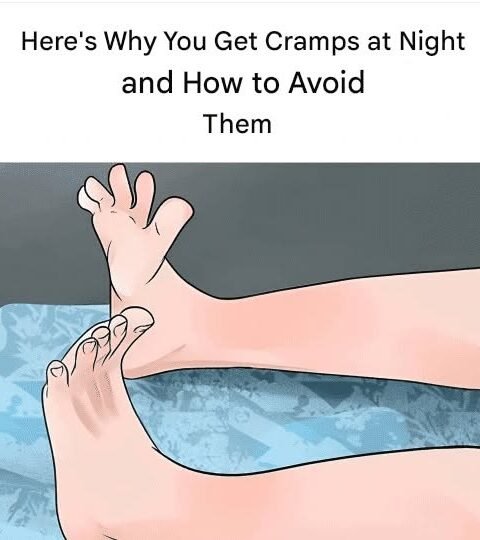
A leg cramp is a sudden, involuntary, and intensely painful contraction of a skeletal muscle—most commonly the calf muscle (gastrocnemius) or the muscles in the foot.
-
The Mechanism: When a muscle suddenly seizes up, it fails to relax properly. As you lie quietly in bed, subtle shifts in posture or muscle length can trigger an overactive nerve impulse, causing the muscle fibers to lock into a sustained contraction.
2. Common (and Harmless) Triggers
Most nighttime leg cramps happen to otherwise healthy people due to everyday physical factors:
-
Muscle Fatigue and Overuse: Standing on hard floors all day, heavy exercise, or unusual physical strain can tire out your muscle fibers, making them much more prone to spasms once you finally relax at night.
-
Dehydration: Inadequate fluid intake throughout the day reduces overall blood volume and fluid balance around your muscle cells, making them hyper-excitable.
-
Prolonged Sitting or Poor Positioning: Sitting cross-legged or in awkward positions for hours can temporarily strain muscles or compress nerves, setting the stage for a cramp later.
-
Electrolyte Shifts: Low levels of key minerals involved in muscle contraction—such as magnesium, potassium, or calcium—can increase muscle twitching and cramping. (This is why leg cramps are also common during late pregnancy due to shifting fluid and mineral demands.)
3. Underlying Medical Links (When It’s More Than Just a Cramp)
While most cramps are benign, chronic or severe nighttime cramps can occasionally be linked to underlying health conditions:
-
Circulatory Issues: Peripheral Artery Disease (PAD) restricts blood flow to the limbs. While PAD pain typically occurs during walking (claudication), poor circulation can sometimes contribute to overall muscle distress.
-
Nerve Compression or Neuropathy: Conditions like lumbar spinal stenosis or diabetic neuropathy affect the nerves that signal your leg muscles, increasing the frequency of spasms.
-
Medication Side Effects: Certain common prescriptions—particularly diuretics (water pills) used for blood pressure or heart conditions—can deplete electrolytes and trigger cramping.
What to Do When a Cramp Hits
-
Stretch Immediately: Gently straighten your leg and pull your toes upward toward your shin (dorsiflexion) to manually lengthen and relax the seizing calf muscle.
-
Massage and Warmth: Massaging the tight muscle or applying a warm compress or heating pad can help the fibers release.
-
Hydrate: Drinking a glass of water can help restore balance if dehydration played a role.
When to Talk to a Doctor
If you experience occasional leg cramps after a hard workout or a long day on your feet, it’s usually nothing to worry about. However, you should mention them to your doctor if:
-
The cramps are severe, frequent, and regularly disrupt your sleep.
-
They are accompanied by noticeable muscle weakness, swelling, redness, or skin color changes in your legs.
-
The pain persists long after the cramp has stopped.
Do you or someone you know deal with these painful night cramps often, or was there a specific remedy or cause you were curious about?