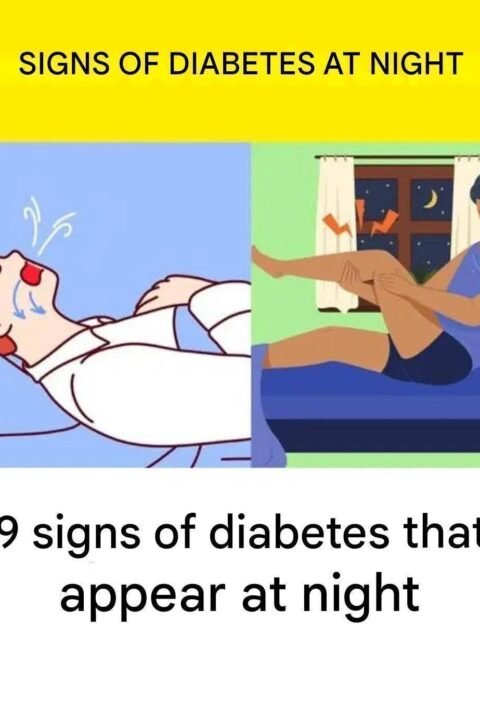
5 Diabetes Symptoms That May Be More Noticeable at Night
There isn’t a specific set of symptoms that occurs only at night, but some diabetes-related problems can become particularly noticeable during the nighttime. High blood glucose can cause increased thirst and urination, while diabetes medications can sometimes cause nighttime low blood sugar.
N
NIDDK
+1
1. Waking up repeatedly to urinate
Needing to urinate frequently, including during the night, can occur when blood glucose is persistently high.
N
NIDDK
2. Intense nighttime thirst or dry mouth
Excessive thirst is a classic symptom of elevated blood glucose. If you’re repeatedly waking up very thirsty, especially alongside frequent urination, it’s worth getting your blood glucose checked.
N
NIDDK
3. Night sweats, shaking, or a racing heartbeat
For someone taking insulin or certain diabetes medicines, these can be signs of hypoglycemia (low blood sugar) during sleep. Nighttime hypoglycemia may also cause nightmares or leave you tired, irritable, or confused after waking.
N
NIDDK
4. Blurred vision
High blood glucose can temporarily affect the eye’s focusing ability, causing blurry vision. Persistent high glucose over time can also damage the blood vessels in the eyes.
N
NIDDK
5. Unusual fatigue
Feeling unusually tired can occur with high blood glucose. If you’re repeatedly waking during the night to urinate or because of thirst, the resulting disrupted sleep can add to the fatigue.
N
NIDDK
+1
When should you get tested?
These symptoms do not prove that you have diabetes—many other conditions can cause them. The only way to diagnose diabetes is with appropriate blood testing.
N
NIDDK
If you have several of these symptoms, particularly frequent urination + excessive thirst + unexplained weight loss or fatigue, arrange a medical evaluation rather than relying on home remedies.
Seek urgent medical attention if you have very high blood sugar accompanied by vomiting, abdominal pain, fruity-smelling breath, trouble breathing, severe weakness, confusion, or fainting, as these can be signs of diabetic ketoacidosis or another serious complication.
N
NIDDK
+1
Bottom line: Nighttime thirst, urination, and—among people taking glucose-lowering medicines—sweating or shakiness can be clues, but symptoms alone can’t diagnose diabetes. A blood glucose test is the reliable way to find out.
N
Sources