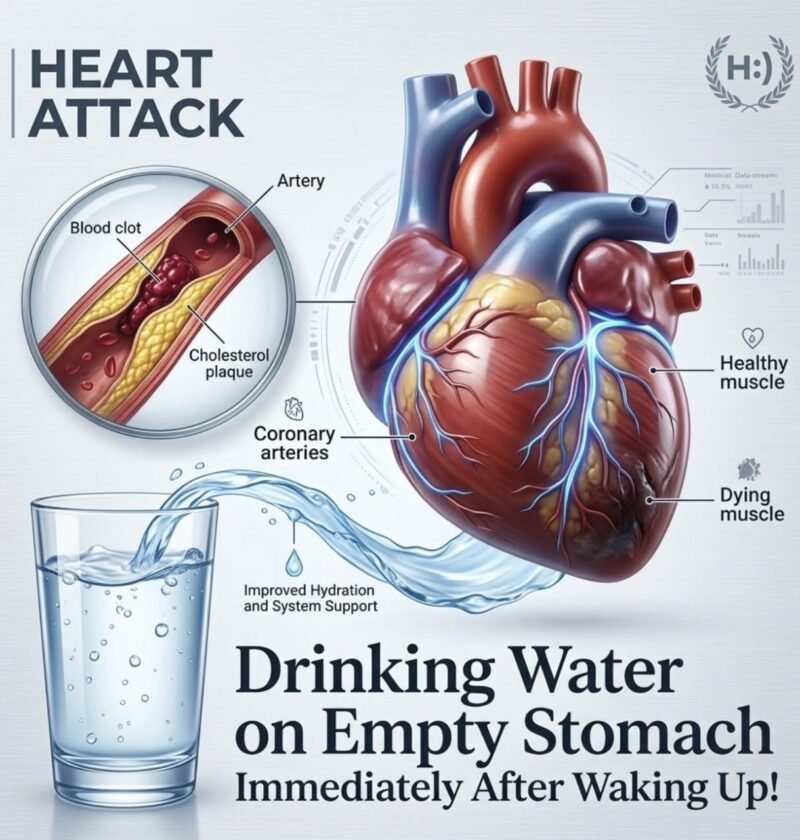
What Happens When You Drink Water Before Eating?
For most people, drinking water before a meal is perfectly healthy and may have a few useful effects. But viral claims that it “detoxes your body,” melts belly fat, or dramatically changes digestion are exaggerated.
1. It can help you feel fuller
Drinking water before a meal may temporarily increase stomach volume and, in some studies, has been associated with eating fewer calories. This can be useful if you’re trying to manage portion sizes or weight. The effect isn’t guaranteed and isn’t a substitute for a balanced diet.
2. It supports hydration
Being adequately hydrated helps your body regulate temperature, maintain blood volume, and support normal kidney function. Drinking some water before eating can simply contribute to your daily fluid intake.
3. It doesn’t “dilute stomach acid” enough to stop digestion
Your stomach continuously produces gastric acid and digestive secretions. Normal amounts of water consumed with or before meals don’t shut down digestion.
4. It may help with constipation
Adequate fluid intake helps keep stool softer, particularly when you’re also getting enough dietary fiber and staying physically active.
5. It won’t detox your body
Your kidneys and liver already perform the body’s major waste-processing functions. Drinking extra water doesn’t “flush toxins” out of your system beyond what your body needs.
How much should you drink?
There’s no need to force down a large glass immediately before every meal. Drink according to thirst and your individual fluid needs. If drinking a lot at once makes you feel bloated or uncomfortable, simply drink smaller amounts throughout the day.
If you’ve been told to restrict fluids because of heart or kidney disease, follow your clinician’s specific fluid plan rather than increasing your water intake.
Bottom line: A glass of water before eating can be a simple, healthy habit for most people, particularly for hydration and possibly appetite control—but it’s not a miracle weight-loss or detox treatment.