Blood Pressure Medication Under Review After New Heart Risk Findings
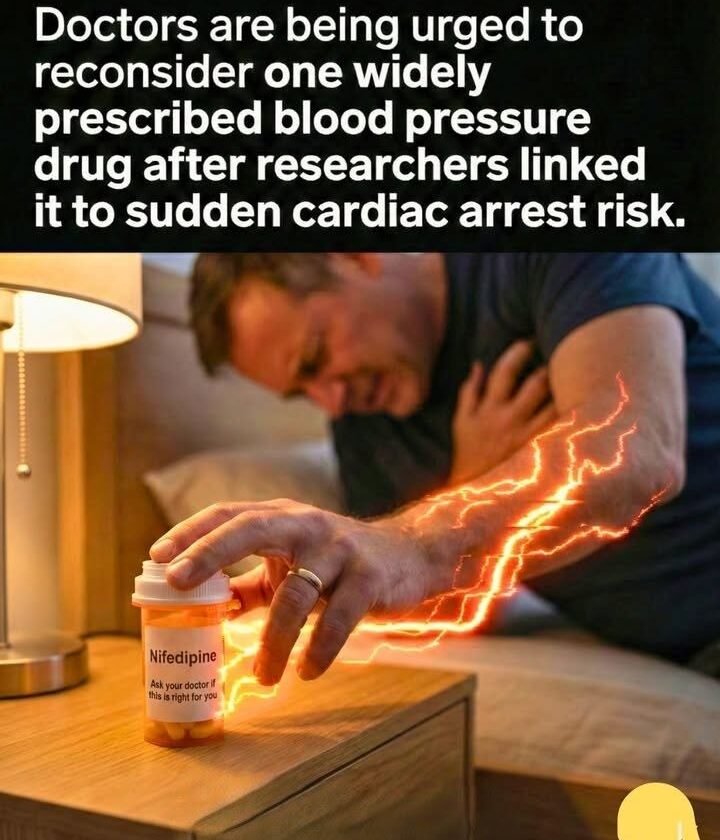
Recent research has brought new attention to how blood-pressure medicines should be used, but it does not mean that common blood-pressure medicines are suddenly unsafe.
A large 2026 analysis of 51 randomized trials involving more than 358,000 people found that lowering blood pressure continued to reduce the risk of major cardiovascular problems, including stroke, heart disease, and heart failure. The benefits appeared relatively early and were seen across several major medication classes.
What Has Changed?
New research and updated guidelines are encouraging doctors to look more closely at a person’s overall heart-risk profile, rather than relying on blood-pressure numbers alone. The 2025 AHA/ACC guideline recommends considering cardiovascular risk when deciding who should receive medication, particularly for people with moderately elevated blood pressure.
At the same time, researchers are studying newer types of blood-pressure treatments, including medicines that target aldosterone, endothelin, and other pathways. These treatments are being evaluated to determine their long-term cardiovascular benefits and risks.
Should You Stop Your Medication?
No. Do not stop or change a prescribed blood-pressure medicine because of a news report. Suddenly stopping certain medicines can cause blood pressure to rise or create other health risks.
Instead, discuss any concerns with your doctor. Your treatment may need adjustment based on your blood pressure, age, other medicines, kidney function, and cardiovascular risk.
The Bottom Line
The latest evidence does not show that blood-pressure medication generally causes new heart problems. Rather, research is helping doctors determine which patients benefit most, how aggressively blood pressure should be lowered, and which medications are best suited to each person.