What Happens to Your Body If You Don’t Drink Enough Water?
Your body needs water for blood circulation, temperature regulation, digestion, kidney function, and normal cell function. Not drinking enough can lead to dehydration, ranging from mild to life-threatening. (niddk.nih.gov)
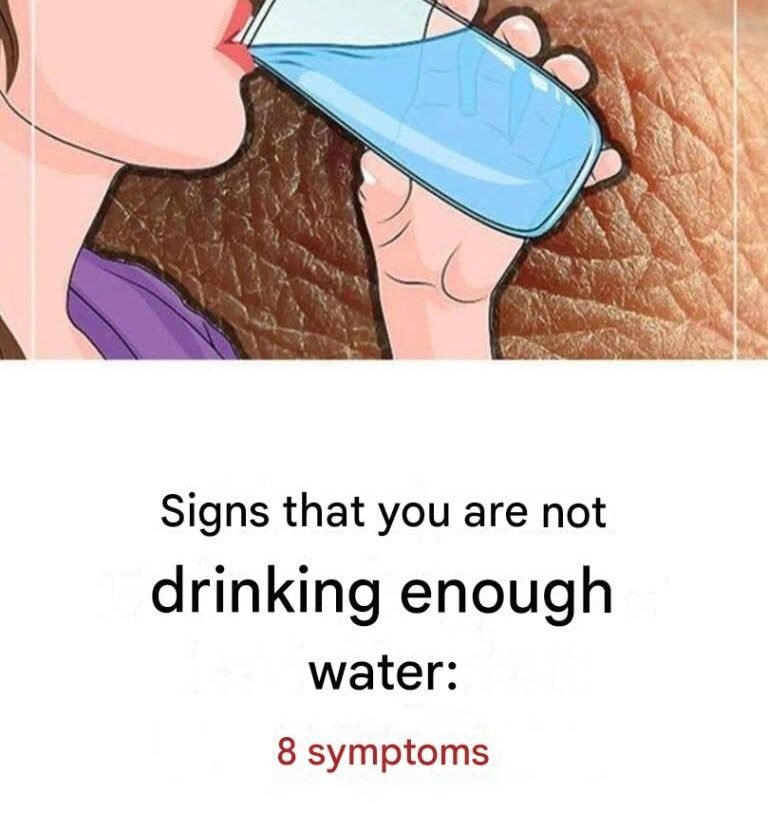
Early signs of dehydration
- Thirst
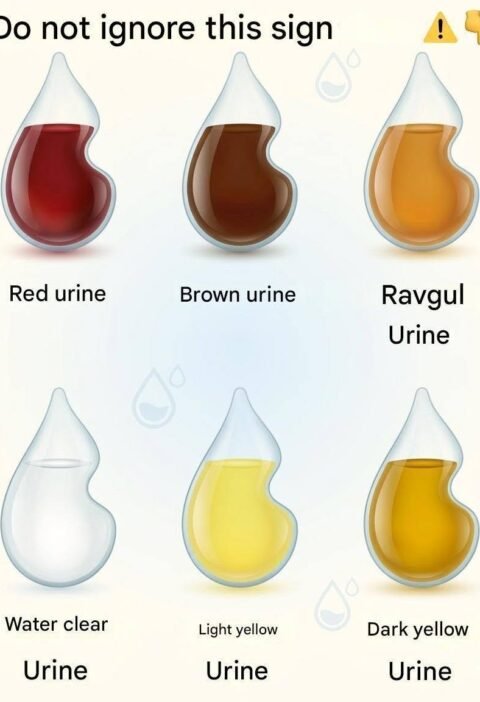
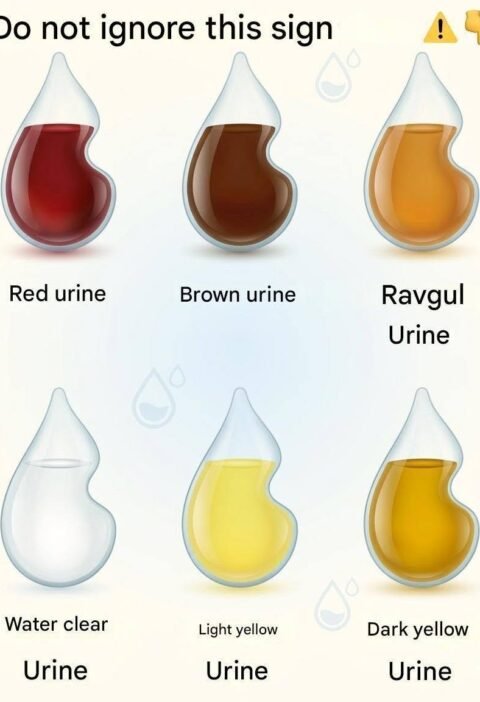
- Dark yellow, strong-smelling urine
- Dry mouth or lips
- Urinating less often
- Tiredness or weakness
- Headache
- Dizziness or lightheadedness
- Constipation can also occur. (nhs.uk)
If dehydration becomes severe
Severe dehydration can cause confusion, fainting, very little or no urine, rapid heartbeat, low blood pressure, and shock. It can become a medical emergency. (nhs.uk)
🥤 How much water do you need?
There’s no single amount that’s right for everyone. Fluid requirements vary with age, body size, activity, climate, diet, pregnancy, illness, and medications. Water from foods and other beverages also contributes to total fluid intake.
A practical guide is to drink regularly throughout the day and use thirst and urine color as clues. Pale-yellow urine generally suggests adequate hydration, while consistently dark urine can indicate that you need more fluid.
⚠️ Don’t overdo water either
More water isn’t always better. Drinking an excessive amount in a short period can dangerously dilute blood sodium (hyponatremia). People with certain heart, kidney, or liver conditions may also have individualized fluid restrictions.