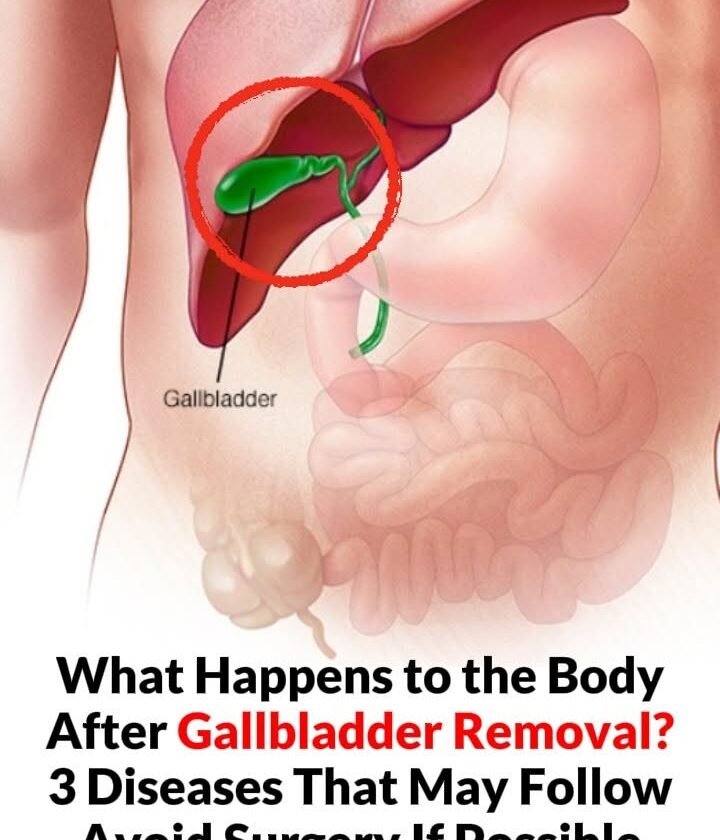
What Happens to the Body After Gallbladder Removal? 3 Possible Problems to Know About
Gallbladder removal, medically called a cholecystectomy, is a common operation. The gallbladder stores bile produced by the liver, but it isn’t an essential organ. After removal, bile flows directly from the liver into the small intestine, and most people can return to a normal diet and routine.
However, some people experience digestive symptoms or complications after surgery. These are important to understand—but they do not mean that gallbladder removal causes chronic disease in everyone.
1. Diarrhea and Changes in Bowel Habits
Some people develop softer or more frequent stools after surgery because bile reaches the intestine more continuously instead of being stored in the gallbladder.
For many people, these changes are temporary. If diarrhea persists or becomes troublesome, a doctor can investigate the cause and recommend treatment.
What may help?
- Eat smaller meals initially.
- Avoid very large, high-fat meals if they trigger symptoms.
- Gradually return to a balanced diet.
- Stay adequately hydrated.
- Seek medical advice if diarrhea persists.
2. Indigestion, Bloating, or Abdominal Discomfort
Some people experience nausea, indigestion, bloating, or abdominal pain following gallbladder removal. These symptoms are sometimes grouped under post-cholecystectomy syndrome.
Importantly, persistent symptoms don’t necessarily mean the surgery caused a new disease. Sometimes another digestive problem is responsible, so ongoing symptoms should be evaluated rather than ignored.
3. Rare Surgical Complications
Like any operation, gallbladder removal carries risks. These can include:
- Infection
- Bleeding
- Blood clots
- Injury to nearby organs
- Injury to the bile ducts
- Bile leakage
- Gallstones remaining in the bile ducts
These complications are uncommon, but some can require additional treatment or surgery.
Should You Avoid Gallbladder Surgery?
Not necessarily.
If gallstones are causing repeated painful attacks, inflammation, blockage, jaundice, or other complications, doctors may recommend gallbladder removal because it can prevent further problems.
On the other hand, if gallstones are found accidentally and are not causing symptoms, treatment may not be necessary in many cases.
The decision should therefore be based on the individual’s symptoms, diagnosis, overall health, and the risks and benefits discussed with their healthcare professional.
What Does Life Look Like Without a Gallbladder?
For most people, life after gallbladder removal is quite normal. The liver continues producing bile; the main difference is that bile is no longer stored in the gallbladder before meals.
During recovery, smaller meals may be easier to tolerate, and some people find that fatty foods temporarily cause discomfort or diarrhea. A balanced diet is generally recommended rather than a permanently restrictive diet.