Leg Cramps at Night: Causes, Prevention & Treatment
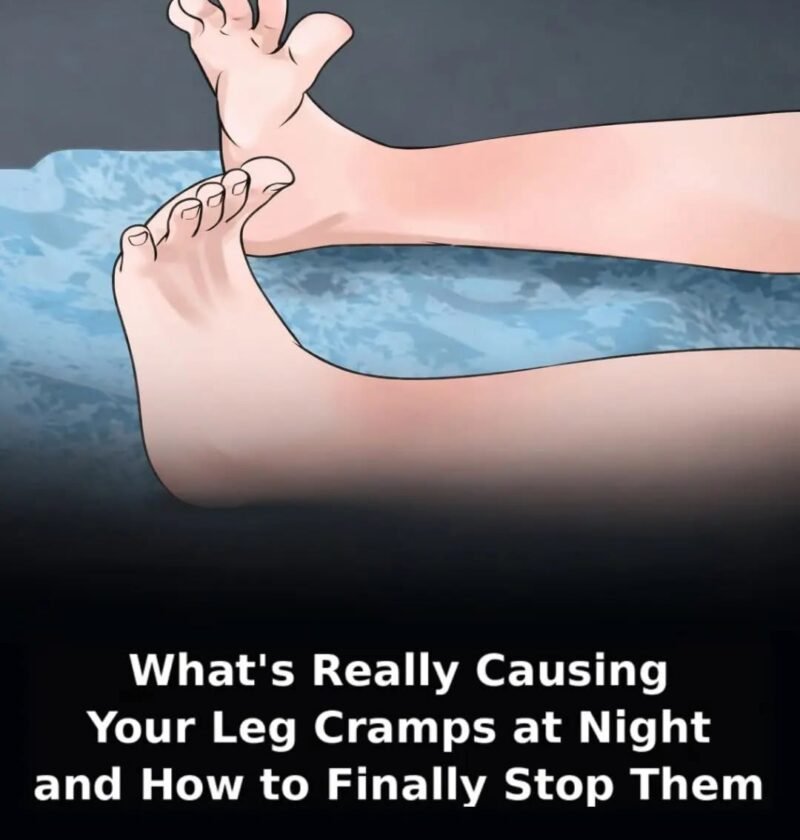
Night leg cramps are sudden, painful tightening of a muscle—usually the calf, foot or thigh—that occurs during sleep. They’re common, particularly with increasing age, and often have no single identifiable cause.
Why do they happen?
Possible contributors include:
- Muscle fatigue or overuse
- Dehydration
- Being physically inactive or staying in one position for a long time
- Pregnancy
- Certain medications, including some used for blood pressure or cholesterol
- Diabetes-related nerve problems
- Kidney, thyroid or circulation problems
- Less commonly, nerve or spinal disorders
It’s also worth noting that restless legs syndrome isn’t the same thing. Restless legs usually produces an urge to move the legs rather than a sudden, painful muscle contraction.
🦵 What to do when a cramp strikes
For a calf cramp:
- Straighten your leg.
- Gently pull your toes up toward your face.
- Massage the cramped muscle.
- Stand and walk carefully if you’re able.
- A warm shower or bath may help relax the muscle.
🌙 How to prevent them
- Stay adequately hydrated.
- Gently stretch your calves before bed.
- A few minutes of light activity, such as stationary cycling, before bedtime may help.
- Limit excessive alcohol and caffeine.
- If your feet are being pushed downward by heavy bedding, loosen the covers around your feet.
Don’t automatically assume you need magnesium or potassium supplements. Cramps have many causes, and taking supplements unnecessarily can be harmful for some people.
💊 What about medications?
If cramps began after starting or changing a medication, tell your doctor or pharmacist. Don’t stop a prescribed medication on your own. Some medicines have been associated with nighttime cramps.
🚩 When should you get checked?
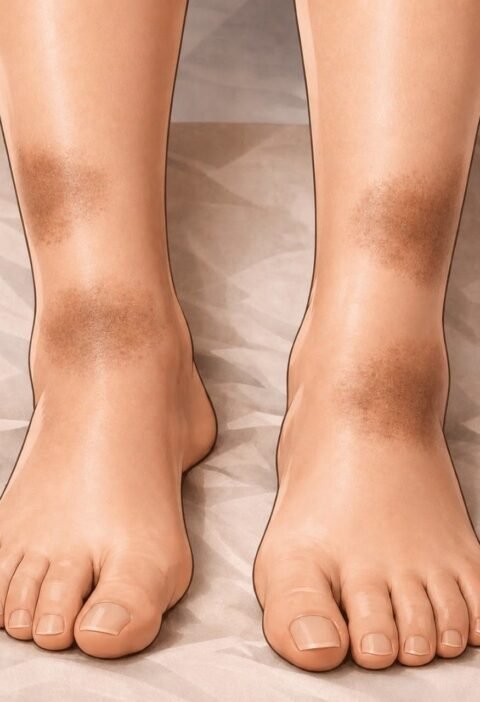
See a healthcare professional if cramps are frequent, severe, repeatedly disturb your sleep, don’t improve with self-care, or occur with muscle weakness. Leg cramps accompanied by swelling, redness or skin changes also deserve medical evaluation.
Bottom line: Most nighttime leg cramps aren’t