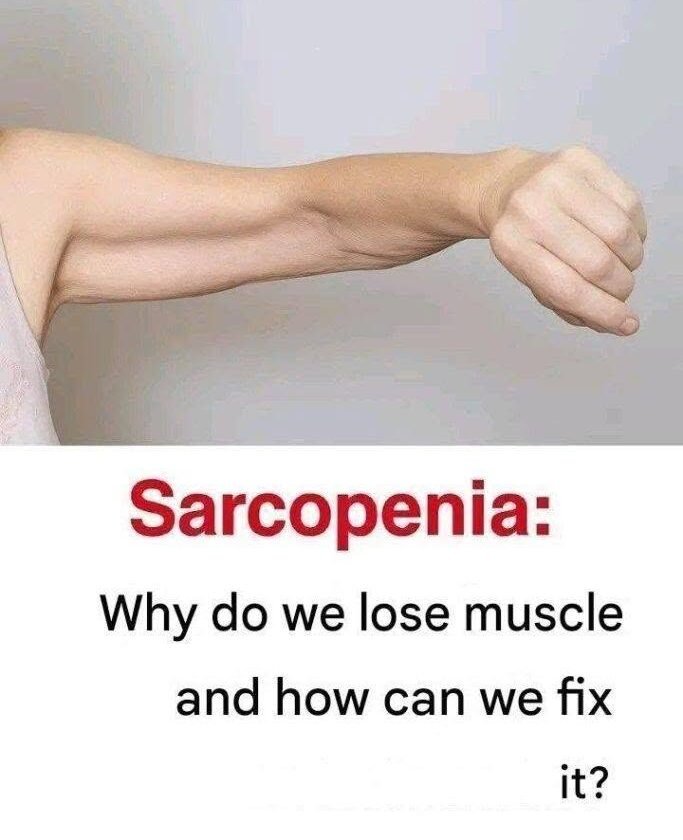
Sarcopenia: Causes of Muscle Loss and Solutions
Losing some muscle as we age is common, but significant loss of muscle strength and function isn’t something you simply have to accept as an inevitable part of getting older.
Sarcopenia is a condition characterized by reduced skeletal-muscle strength, often accompanied by reduced muscle mass and poorer physical performance. It can increase the risk of falls, disability, loss of independence, and other health problems.
The encouraging news is that muscle remains responsive to exercise and nutrition even in later life.
What causes sarcopenia?
1. Aging
Muscle mass and strength naturally decline with age. Changes in muscle protein metabolism, hormones, activity levels, and the nervous system can all contribute.
But aging itself isn’t the whole story. Physical inactivity and inadequate nutrition can accelerate the process.
2. Too little resistance exercise
Muscles need a reason to remain strong. Long periods of sitting, bed rest, or inactivity can cause substantial losses in muscle strength and function.
Regular physical activity can help protect against age-related muscle loss, and resistance exercise is particularly important.
3. Not eating enough protein
Older adults may eat less because of reduced appetite, dental problems, difficulty preparing food, illness, or other factors.
Insufficient protein and overall calories can make it harder to maintain muscle. Expert recommendations generally support adequate protein intake combined with exercise for preserving muscle function in older adults.
4. Chronic illness
Sarcopenia isn’t always caused by aging alone. Conditions such as cancer, chronic lung disease, heart failure, and kidney disease can contribute to muscle wasting. Treating the underlying illness is therefore an important part of managing secondary sarcopenia.
5. Inflammation, hospitalization, and prolonged bed rest
A serious illness or extended period of inactivity can cause muscle to deteriorate surprisingly quickly. Older adults can be particularly vulnerable after hospitalization or other major health events.
That’s one reason getting safely mobile again after illness is so important.
What can actually help?
💪 1. Make resistance exercise the foundation
This is the most important intervention.
Resistance training can include: