Your Legs Are Screaming “HELP!”: 5 Warning Signs Your Heart Is in Trouble
Your legs can sometimes reveal changes happening elsewhere in your body. In particular, new swelling in the feet, ankles, or legs can occur when the heart isn’t pumping effectively and fluid begins accumulating in the body. But leg symptoms have many possible causes, so they don’t automatically mean you have heart disease.
Here are five changes worth paying attention to.
1. Swelling around your ankles and feet
Shoes or socks may suddenly feel tighter, or you may notice an indentation after pressing on the swollen skin.
Fluid buildup in the lower body, called edema, is a recognized symptom of heart failure.
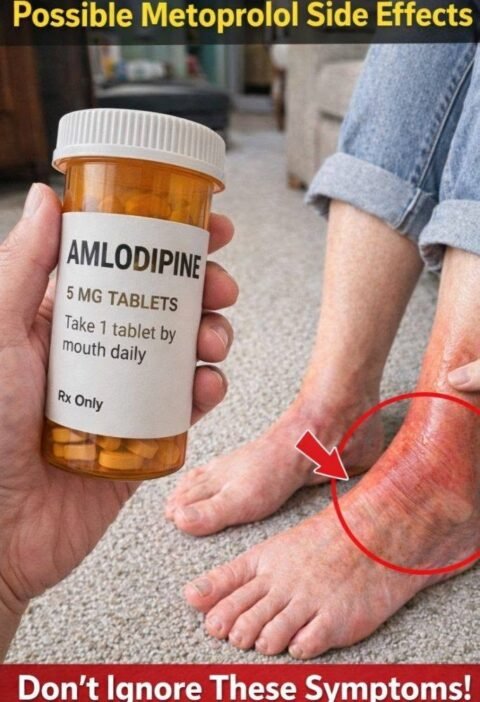
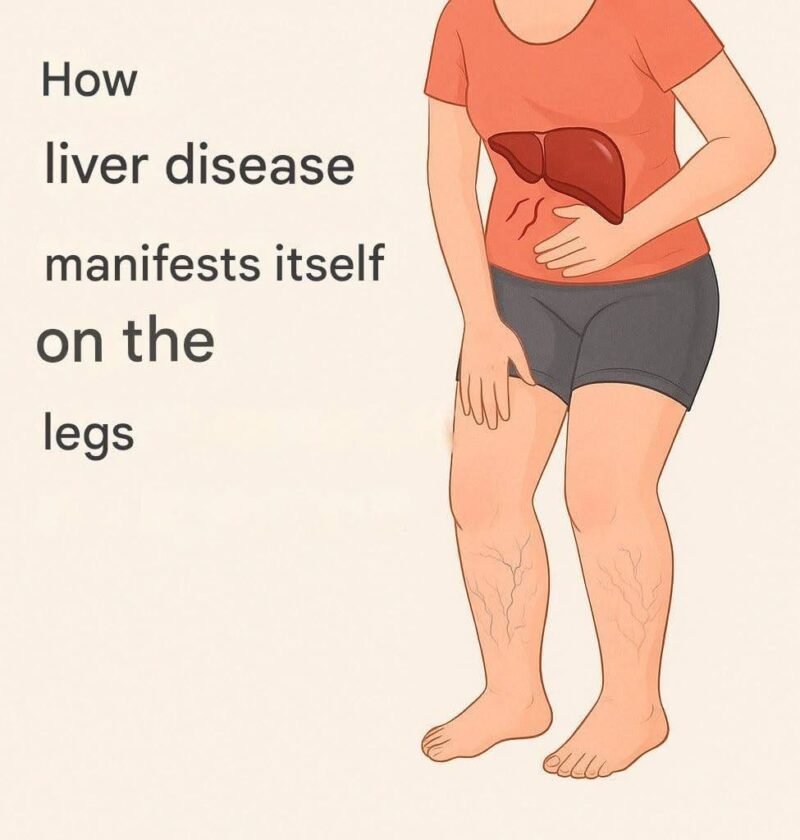
Swelling can also have many non-cardiac causes, including certain medications and kidney, liver, or vein problems. That’s why persistent or unexplained swelling deserves medical evaluation rather than self-diagnosis.
2. Your legs become swollen along with rapid weight gain
A sudden increase on the bathroom scale can sometimes represent retained fluid rather than increased body fat.
The American Heart Association advises people with heart failure to watch for rapid weight gain together with increasing swelling or breathing problems. A gain of more than about 2–3 pounds in 24 hours or 5 pounds in a week can be a warning sign requiring medical attention.
3. Leg swelling comes with shortness of breath
This combination is particularly important.
Heart failure can cause fluid to accumulate in the legs while also causing fluid buildup in or around the lungs. Shortness of breath may initially occur during activity and can progress to breathlessness at rest or difficulty breathing while lying flat.
4. Your legs feel unusually weak or tired
Heart problems can reduce the body’s ability to deliver enough blood and oxygen to tissues. Fatigue and weakness are recognized symptoms of heart failure, although they can result from many other conditions as well.
If ordinary activities such as walking across a room or climbing a few stairs suddenly become much harder, don’t simply assume it’s aging.
5. Swelling is accompanied by other changes
Leg swelling becomes more concerning when it appears alongside symptoms such as:
Persistent coughing or wheezing
Increasing fatigue
Difficulty lying flat because of breathing problems
Abdominal swelling
Loss of appetite or nausea
Dizziness or confusion
A noticeable increase in heart rate
These symptoms don’t prove that heart failure is present, but together they warrant medical assessment.
🚨 When should you seek urgent help?
Severe shortness of breath at rest, fainting, chest pain, or rapidly worsening symptoms require urgent medical attention. The American Heart Association identifies shortness of breath at rest and rapidly worsening lower-body swelling among warning signs that require prompt evaluation.
Don’t wait for leg swelling to become severe before mentioning it to a healthcare professional. Heart failure can often be managed with medicines and other treatments, and identifying worsening symptoms early can be important.