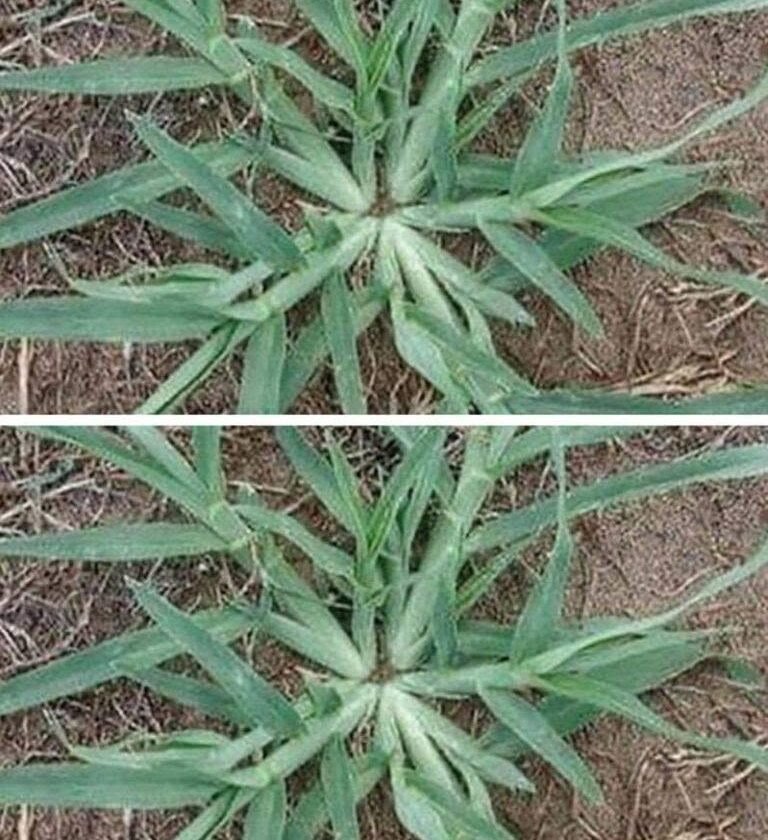
A stronger version could focus on milkweed, for example:
Never Uproot This Plant If It Appears in Your Garden
If a patch of milkweed suddenly appears in your garden, don’t automatically pull it out. Native milkweed can be an important food source for monarch butterfly caterpillars and can provide nectar for numerous pollinators.
🦋 Why milkweed matters
Milkweed is the primary host plant for monarch caterpillars. Adult monarchs lay their eggs on milkweed because their caterpillars depend on it for food.
Its flowers can also provide nectar for bees, butterflies, and other insects.
🌱 Don’t confuse all milkweed with invasive plants
There are many milkweed species, and their value varies by region. Some are native and highly beneficial, while particular non-native plants can behave differently.
Before removing an unfamiliar volunteer plant, identify it first and check whether it is native to your area.
🌿 Let it grow—but manage it responsibly
If the milkweed is native and growing somewhere suitable, allowing it to remain can turn part of your garden into a small wildlife habitat.
If it is spreading into an area where you don’t want it, you can manage it rather than assuming every milkweed plant must be removed.