💧 What Does the Color of Your Urine Say About Your Health?
Urine color can give you a rough idea of hydration, but it isn’t a complete health test. Foods, vitamins, medications, and medical conditions can all change urine color. (MedlinePlus)
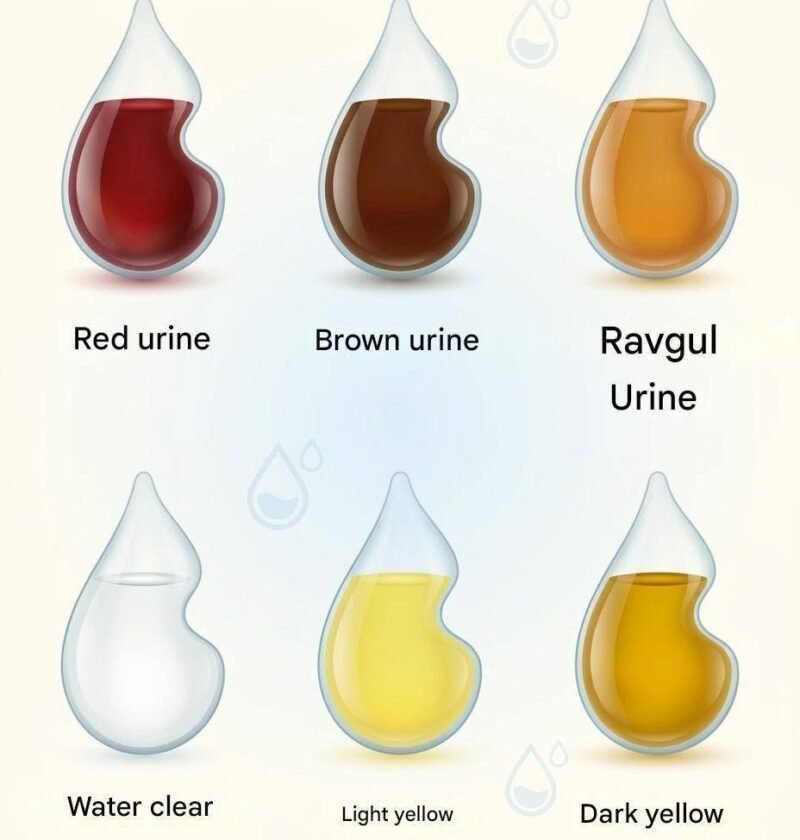
🌈 Common colors
- 🟨 Pale yellow: Usually a good sign of hydration.
- 💛 Dark yellow: Often means your urine is concentrated and you may need more fluids.
- 🟠 Orange: Can occur with dehydration, but some medicines can also cause it.
- 🩷 Pink or red: May indicate blood, although beets and some medicines can also cause reddish urine. Persistent or unexplained blood should be checked. (MedlinePlus)
- 🟤 Brown or tea-colored: Can occur with significant dehydration, but may also have other medical causes and shouldn’t automatically be dismissed as dehydration.
- ☁️ Cloudy: Can occur for several reasons, including crystals or a urinary infection; color alone can’t diagnose the cause.
- 🟢🔵 Green or blue: Uncommon and can sometimes be caused by medications, dyes, or medical conditions.
💊 What about bright-yellow urine?
Very bright yellow urine is commonly associated with vitamin supplements or medications, so it doesn’t necessarily mean you’re dehydrated. (King’s College Hospital)
🚨 When should you get medical advice?
Get checked if you repeatedly notice red, pink, or brown urine without an obvious explanation, especially if you also have pain, burning when urinating, fever, back/flank pain, or changes in how much you urinate. Blood in urine can have several causes, including urinary-tract and kidney problems. (MedlinePlus)
Bottom line: For most people, pale-yellow urine is a useful sign that you’re adequately hydrated. Darker urine often means it’s more concentrated, but unusual or persistent colors shouldn’t be diagnosed by color alone. (Guy’s and St Thomas’ NHS Trust)